For first-time spectators at a vaquejada competition, attention naturally goes to the bull, the riders, and the speed. But beneath that spectacle lies a specific set of equipment — developed and refined over decades to meet the unique demands of this traditional Brazilian cattle-pulling sport.
Choosing the right equipment in vaquejada isn’t a matter of aesthetics. It’s a matter of performance and safety. The saddle the puxador (puller) uses differs from what the batedor (closer) needs. Horse protections are designed for the specific movements of each position. And the vaqueiro’s own gear balances tradition with function.
The Vaquejada Saddle: Built Differently
The saddle used in vaquejada has specific characteristics that distinguish it from other Brazilian equestrian models.
Low, compact structure: unlike lasso-work or cattle-handling saddles with high pommels and prominent rear cantles, the vaquejada saddle has a lower overall profile. This gives the rider freedom of movement to execute the pull — an action that requires lateral trunk rotation that a high-pommel saddle would restrict.
Long, flat seat: the seat is designed to allow the rider to shift slightly forward or back as needed during the run. A deeply contoured or undersized seat limits those adjustments.
Stirrups positioned for dynamic balance: the stirrup placement accounts for the sharp lateral movements the rider will make. Correct adjustment is essential for maintaining balance during the pull without losing contact with the horse.
Materials: hand-treated northeastern Brazilian leather remains the quality benchmark for the sport’s finest saddles. Specialized craftsmen across the Northeast produce custom pieces for professional riders — an artisan tradition that coexists with the sector’s broader industrialization.
Puxador Saddle vs. Batedor Saddle
In broad terms, the puxador’s and batedor’s saddles are similar, but they may carry small configuration differences. The puxador needs positioning that favors a downward-and-back right-arm movement for the pull. The batedor needs greater lateral stability to push the bull without losing balance. Experienced riders configure their saddles based on the role they prefer.
Bridles and Headstalls: Responsive Control
The bridle — the combination of headstall, bit, and reins — in vaquejada must meet a paradoxical requirement: responsive enough for split-second corrections, but not so hypersensitive that it breaks the horse’s concentration during the chase.
Bit: the most common type in vaquejada is the low-port curb bit, which gives the rider solid control without requiring constant pressure. Overly severe bits can make horses anxious or resistant — the opposite of what a run requires.
Reins: braided leather reins, sized for weight and length so the rider can hold them in one hand while executing the pull with the other, are the sport’s standard.
Headstall: the headstall structure must be secure enough not to slip during sharp maneuvers, while comfortable enough not to create unnecessary pressure that would distress the animal.
Horse Protections: What Goes Where and Why
Vaquejada horses receive specific protections for the body parts most stressed during runs.
Leg boots (boletins): protection for both front and rear legs is mandatory in regulated competitions. Leg boots guard against lateral impacts that can occur during bull-closing — moments when horses make contact with the animal’s flanks.
Sole guards (ranilha protectors): protections for the frog — the soft underside of the hoof — are important for runs on arena sand with variable grain size. A small stone in the path can cause permanent damage to an unprotected hoof.
Chest bib protectors: some riders use bib-style protectors covering the chest and part of the underside of the horse — particularly for puxadores, who remain closer to the bull during contact.
Bull tail protection: while technically a protection for the bovine rather than the horse, it’s worth noting here: the sport’s governing regulations require the base of competing bulls’ tails to be wrapped with padded bandaging before each run. This requirement was made mandatory in the wake of the animal welfare debate.
Vaqueiro Dress: Tradition With Function
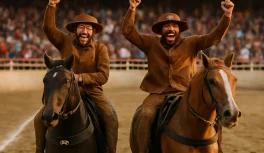
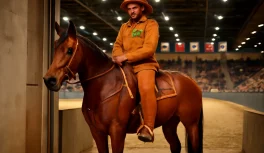
The vaquejada rider’s attire has an unmistakable aesthetic — leather hat, fringed leather jacket, leg guards, leather boots — that isn’t purely traditional. Each piece has a practical function inherited from the original sertão cattle-work context.
Leather hat (capiúra): thick leather protects against the northeastern sun and, in a fall, cushions head impacts. The northeastern vaqueiro hat differs from the American cowboy hat in both shape and material — more compact and more durable under semiarid conditions.
Gibão (fringed leather jacket): the fringed leather jacket typical of the northeastern vaqueiro protects the torso during work through the thorny caatinga scrub vegetation — and in competition, it functions as a visual emblem of the sport’s tradition.
Leg guards (perneiras): leather leg guards cover the rider’s legs from knee to ankle, protecting against brush contact and providing additional support in the saddle position.
Vaqueiro boot: the northeastern boot has a tall shaft and a defined heel — the heel is a fundamental safety element, preventing the foot from slipping through the stirrup and trapping the rider in a fall.
The Horse’s “Outfit” Too
The complete tacking of a vaquejada horse — saddle, bridle, protections — is a visual composition that connoisseurs recognize and appreciate. Specialized artisan producers create pieces with embroidered leather work, metal appliqués, and finishes that take the sport’s aesthetic to its own level.
Major events include categories evaluating the elegance of the tacking — a tradition that honors the cultural and artistic value of northeastern equestrian craftsmanship.
What Does It Cost to Equip a Vaquejada Rider?
The equipment cost for competing at the professional level is considerable:
- Professional saddle: BRL 3,000–15,000, depending on the craftsman and finishes
- Complete bridle set: BRL 800–4,000
- Horse protections: BRL 300–1,500 per set
- Complete rider attire: BRL 1,500–8,000
A professional rider’s total equipment cost, not counting the horse, can easily exceed BRL 20,000. This places vaquejada in context with other competitive equestrian sports, where equipment investment is an unavoidable part of participation costs.
For amateur and beginner categories, more accessible versions of every item exist — and many vaquejada arenas have loaner equipment for newcomers just starting out.