Polo has a reputation as an unattainable sport — and that reputation is partly deserved, partly exaggerated. Yes, polo requires horses, specific equipment, and dedication that places it out of reach for casual low-cost sport. But the entry path is less steep than most people imagine. Clubs around the world have beginner programs with club horses, specialized instructors, and formats designed for those who have never held a mallet.
What you need to know before you start
Polo is not a sport learned in a weekend. It is an activity that requires building — riding skill, game understanding, and familiarity with the environment of speed and pressure the sport demands. This should not discourage; it should calibrate expectations.
Two questions define where to start:
– Do you already ride horses?
– Do you have access to a polo club in your area?
The answers determine where to begin.
Required riding level
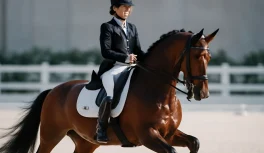
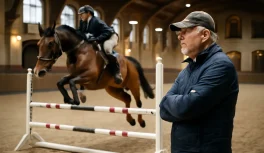
To start polo, you need solid basic riding skill — not necessarily an experienced rider, but you must be able to ride in balance, maintain control at trot and light canter, and stay calm when unexpected things happen on the field.
Most beginner programs recommend at least six months to a year of riding experience before starting polo. Some clubs offer basic equitation as part of their beginner program, but this extends the learning timeline.
Polo riding uses one hand — the other holds the mallet. This demands above-average balance and hand independence. Riders coming from classical dressage, western reining, or recreational riding have a genuine advantage.
Finding a polo club
The first practical step is locating a polo club in your area. National federations maintain lists of affiliated clubs — in the United States, the USPA; in the United Kingdom, the Hurlingham Polo Association (HPA); and similarly in other countries.
What to look for in a beginner club:
Club horses available: Most clubs maintain a string of experienced, quiet polo ponies specifically for beginners. This eliminates the need to own your own horse to start.
Instructor experienced with beginners: Teaching polo is different from playing polo. The instructor must know how to adapt language and progression for those starting from zero.
Arena polo available: Clubs with an arena are particularly good for beginners. The smaller space and walls create a more controlled learning environment before moving to the open field.
Welcoming community: Clubs with an open culture toward newcomers make an enormous difference to the beginner experience.
How lessons are structured
Polo beginner lessons typically begin off the horse. Before mounting, the student learns the swing:
The mallet movement is practiced on the ground, standing still or with a fixed support (a stick and ball stand). The mechanics of the shot — shoulder rotation, wrist position, follow-through — need to be absorbed before adding the horse in motion.
On horseback, at walk and trot, the student learns to hold the mallet alongside the reins, to balance with one hand, and to look downward without losing control of the horse.
The first real strikes happen at walk — the horse standing or walking slowly, the student focused on making contact with the ball. It is harder than it looks.
Progression goes from walk to trot, from trot to canter, from individual shots to shot sequences, and eventually to actual play situations with other riders.
How much does polo cost?
Polo has real costs, and it is honest to acknowledge them. The main components are:
Lessons: Vary significantly by region and club — from $80 to $200 per lesson in many markets, more at elite clubs.
Basic equipment: A certified helmet, boots, knee guards, and two or three starter mallets. Initial equipment investment typically runs $800 to $3,000 depending on choices.
Own horse: For those who decide to advance in the sport, owning your own polo pony represents the largest cost. Entry-level polo horses start around $5,000 to $15,000. For beginners, using club horses is the sensible and recommended option.
Arena polo as a first step
For areas without access to an open field, or for those wanting to experience polo before a larger commitment, arena polo is the ideal entry point.
The smaller field, the walls that keep the ball in play, and the more compact pace of arena polo create a more controlled and less intimidating learning environment than the open field. Many top-level players in various countries began in the arena.
What to expect in the first months
In the first two to three months, progress is noticeable — the initial learning curve is steep. Learning the swing, developing one-handed balance, hitting the ball at a canter: each achievement brings immediate satisfaction.
After that, progress becomes more subtle and regular practice is essential to keep improving. Players who train one to two times per week take one to two years before they are ready for low-level friendly matches.
Polo rewards those who have patience with their own learning curve — and gives back, in equal measure, real development.