When you look at a mustang, you’re seeing five centuries of genetic mixing — an unlikely combination of European breeds, Native American influence, and, more recently, modern American horses. Mustang genetics is not a straight line: it’s a historical crossroads that still surprises researchers.
The Starting Point: 16th-Century Iberian Horses
The story begins with Spanish colonizers who arrived in the Americas starting in 1519, bringing horses of Iberian origin — primarily crosses of the Barb (of Berber origin from North Africa), the Andalusian (today’s PRE — Pura Raza Española), and the Sorraia, a primitive breed from the Iberian Peninsula.
These horses were selected for resilience, versatility, and the capacity to work in harsh terrain. They weren’t luxury horses — they were survival horses. Exactly the type that, once feral, would have the best chance of thriving in demanding environments.
Why Did Spanish Horses Spread So Quickly?
A combination of escaped horses, horses deliberately released, and horses captured and traded by Native American tribes created — through the 17th and 18th centuries — an explosive population of feral horses across North America.
Plains tribes — Comanche, Cheyenne, Nez Perce, and others — became sophisticated horse breeders. Some groups developed clear selective preferences. The Nez Perce are credited with developing the Appaloosa. Native American influence on the genetic formation of mustang herds is real and substantial.
Subsequent Waves of Genetic Introduction
18th and 19th Centuries: Working and Racing Horses
As European and American settlement expanded westward, other breeds entered the herd gene pool:
Thoroughbreds: brought to improve racing and working horses, some escaped or were deliberately released.
Quarter Horses: specialized for cattle work, contributing genes for a compact, robust build.
Morgans: used extensively across the American West, especially by the military.
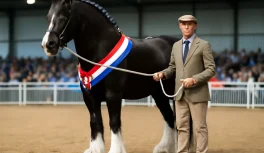
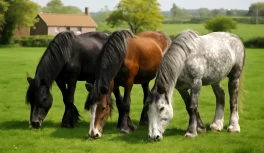
Draft horses: less frequent, but they contributed heavier conformation genes in some regions.
Military Horses
The US Army operated horse breeding stations throughout the 19th century and released animals over time — many were absorbed into existing herds. European military breeds, including Anglo-Arab crosses, contributed genes across parts of the West.
What Genetic Science Has Revealed
Modern genetic research — including mitochondrial DNA analysis and genetic marker studies — confirms what history suggested:
- Most mustang populations carry a broad genetic mix, with contributions from multiple European breeds
- Specific populations show unusual concentrations of markers linked to the original Iberian type
- Kiger Mustangs (Oregon) and Pryor Mountain Mustangs (Montana/Wyoming) have the strongest documented evidence of connection to colonial Spanish bloodlines
- The Sulphur Horse (Utah) also presents a genetic profile consistent with concentrated Iberian heritage
The Colonial Spanish Horse: A Surviving Lineage
There’s a classification used by enthusiasts and some researchers — the “Colonial Spanish Horse” — that attempts to identify horses with preserved Iberian colonial heritage. It’s not a registered breed, but a recognized genetic type.
Mustangs from populations like Kiger, Pryor, and Sulphur are frequently classified within this group — and dedicated preservation efforts work to maintain the genetic integrity of these specific bloodlines, avoiding crosses with modern breeds.
Why Genetic Diversity Matters for Conservation
From a scientific standpoint, genetic diversity within a population is a safeguard against disease and environmental change. Very small herds, when isolated, tend toward inbreeding — with consequences for health and adaptability.
Serious conservation programs account not just for numbers, but for genetic distribution: which family lines are represented, which bloodlines are disappearing.
The Legacy a Mustang Carries
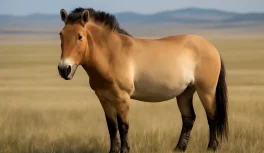
When a Kiger Mustang displays a grullo coat with zebra striping on its legs and a dorsal stripe down its back, it’s displaying genetic markers that arrived in the Americas in the 16th century. That’s not poetry — it’s documented genetics.
Understanding this transforms how you see the mustang: from “horse without a breed” to “horse with a richer genetic history than most registered breeds.” And it makes the conservation debate more urgent — because what’s at stake isn’t just an animal, but a living archive of five centuries of history.