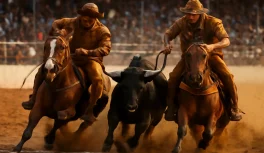
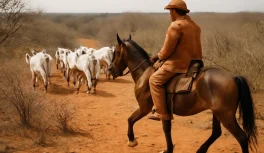
There are ways to travel, and then there’s riding through the world on horseback. Exploring trails on horseback across extraordinary destinations is one of the most complete experiences any horse lover can have — and the planet offers options ranging from the steppes of Mongolia to the African savannas, from the American prairies to Icelandic volcanoes. If you haven’t put an international horseback trail on your travel list yet, this guide is about to change that.
Equestrian tourism grows every year. Riders of all levels seek destinations that combine spectacular landscapes, local horse breeds, and a different pace — slower, more present, more connected. Unlike any other mode of transport, riding brings the traveler into the landscape in a way no vehicle can.
Why a Horseback Trail Changes the Way You Travel
Anyone who has ridden a horse through a foreign destination knows the experience isn’t only about the horse. It’s about the silence that exists when you’re far from engines. It’s about the three-meter height perspective that only a rider has. It’s about reaching places that cars, motorbikes, and even hikers rarely access.
On the Mongolian steppes, the horse is still the only reliable transport in certain remote regions — riding there is not tourism, it’s living tradition. In Patagonia, multi-day routes cross roadless valleys where the only sound is wind and hoofbeats. In Iceland, the only way across certain lava fields is on the back of an Icelandic horse.
But you don’t need to be an experienced rider to begin. Most equestrian tour operators around the world offer options for beginners — calm horses, experienced guides, and routes adapted to the group’s level. What you need is willingness.
The World’s Best Horseback Riding Destinations
Patagonia: Riding at the End of the World
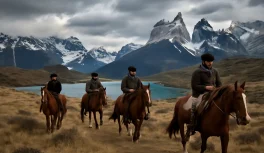
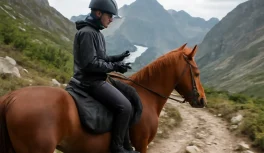
Argentine-Chilean Patagonia is, for many, the definitive horseback riding destination. The combination of snow-capped mountains, impossibly colored lakes, lenga beech forests and winds that seem ready to tear your hat off creates an experience no photograph fully captures.
In Argentina, the provinces of Neuquén, Chubut and Santa Cruz offer routes from three to fifteen days led by arrieros — local horse guides who carry centuries of gaucho tradition. The horses are Argentine Criollos and sturdy crossbreeds, built for irregular terrain and sudden weather shifts. Crossing an Andean pass with Aconcágua on the horizon is one of the most epic moments equestrian tourism can offer.
In Chile, the Aysén region holds less-visited routes and even wilder landscapes. Local operators offer rides with overnight stops at historic estancias, where Patagonian hospitality means asado at night and mate in the morning.
Mongolia: Riding Like a Nomad Through the Steppes
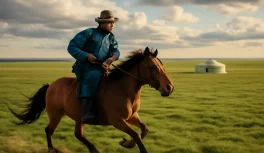
If there is a place where the horse is still the center of human life, it is Mongolia. With more horses than people and centuries of equestrian tradition, the country offers multi-day treks crossing endless steppes, river fords and nomadic camps where time seems suspended.
Mongolian horses are small, resilient and surprisingly fast — direct descendants of the same animals that carried the armies of Genghis Khan. The ideal riding season is June through September, when the steppes are green and the Naadam festival celebrates the three nomadic disciplines: archery, wrestling, and of course horse racing.
Iceland: The Tölt Between Volcanoes and Northern Lights
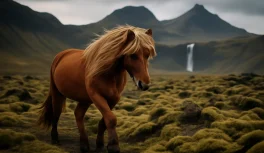
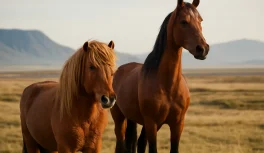
Riding in Iceland is an experience unlike anywhere else, for one simple reason: the Icelandic horse. A pure breed preserved for over a thousand years by law, the Icelandic has a natural fifth gait called the tölt — smooth, rhythmic, allowing hours of riding without the impact of a conventional trot.
Icelandic trails cross lava fields, pass geysers and waterfalls, and in certain seasons offer the spectacle of the northern lights on horseback. The most popular routes include the Snæfellsnes peninsula, Þingvellir National Park and the Highland interior, accessible only in summer.
Andalusia: The Land of the Spanish Horse
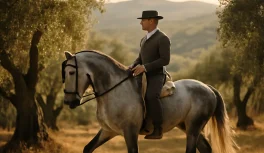
In Spain, the Andalusia region is the heart of Iberian equestrian culture. The Pura Raza Española — the PRE — has been bred here for centuries, and the relationship between rider and horse is part of the cultural identity of the region. Seville, Jerez de la Frontera, Ronda, and Córdoba offer horseback routes combining Mediterranean landscape, ancient olive groves, and Andalusian hospitality.
The Feria de Jerez in May is Spain’s largest equestrian festival and a unique chance to see the best of doma vaquera and classical horsemanship in a real cultural setting.
The American West: The Original Cowboy Experience
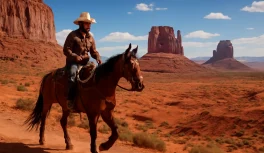
No equestrian imagination is more powerful than the American West. The good news is that the experience of riding through the prairies and canyons of Utah, Wyoming, Montana and Colorado is available to visitors through guest ranches — farms that receive guests for experiences ranging from two days to two weeks.
The horses used are primarily Quarter Horses and Paints — sturdy and calm, ideal for beginners. Routes pass through red rock formations, canyons and pine forests, with days ending around a campfire under stars with no light pollution.
Kenya: The Safari No Jeep Can Offer
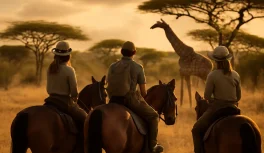
In East Africa, equestrian tourism reaches a completely different level. Riding in the Masai Mara means being at eye level with the animals — wildebeest, zebras and giraffes pass within meters without fleeing, because they don’t recognize a rider as a threat the same way they would a jeep.
Specialized safari operators in Kenya require that participants have riding experience — open gallops among African wildlife are not for absolute beginners. But for confident riders, it’s one of the most intense experiences the planet can offer.
What Riding Experience Do You Need for an International Trail?
The honest answer: it depends on the destination. For Iceland, Andalusia and the American West, serious operators work well with beginners who have at least some sense of balance. For Mongolia, Patagonia and Kenya, experience in trot and canter is recommended, along with physical preparation for daily hours in the saddle.
The most important advice: be honest with the operator about your level. A good equestrian guide will always prefer to adapt the route to the group’s reality rather than risk an accident due to overconfidence.
How to Choose an Equestrian Tour Operator
The choice of operator is as important as the choice of destination. Some key criteria:
Animal welfare — verify that the operator limits daily riding hours, maintains feeding and hydration protocols, and keeps animals in good condition.
Qualified guides — experienced guides know each horse’s temperament, the terrain, and safety protocols.
Independent reviews — platforms like TripAdvisor, Google Reviews and specialized equestrian tourism forums are valuable sources of real-world evaluation.
The World at a Gallop
Horseback riding in extraordinary destinations is one of the deepest forms of travel that exists. No steering wheel, no glass window, no algorithm suggesting the next tourist spot. Just you, the horse, the terrain and the landscape — exactly as travelers journeyed for millennia before us.
Whether on the Mongolian steppes, Iceland’s volcanoes, the African plains or the Patagonian end of the world, horseback trails offer something conventional tourism rarely provides: the feeling that you were truly there.