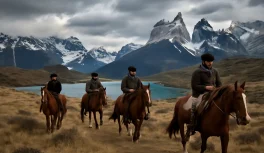
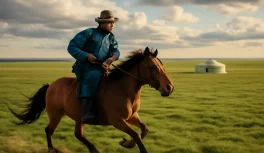
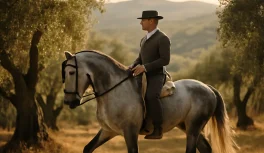
Plenty of people carry a childhood wish to learn to ride a horse and give up before they ever try, convinced that riding belongs to private clubs, imported boots, and impossible monthly fees. The good news: that picture is incomplete. Community riding schools, nonprofit programs, member-run clubs, heritage associations, and group lessons all open the door to the horse world for far less than most people assume. In this guide, you’ll find the most affordable paths in, what really matters for safety, and how to take your first steps with confidence.
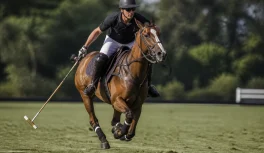
Horses, after all, have never belonged to a single social class. They’re on the polo field and hitched to the farm cart, at the breeding farm and the smallholding, as we show in The Love of Horses That Knows No Borders. Learning to ride can be just as democratic.
Why Does Riding Seem So Expensive?
The elite reputation has real roots. Olympic disciplines such as show jumping, dressage, and eventing involve expensive horses, specialized trainers, transport to competitions, and facilities that cost a lot anywhere in the world. That’s the side of riding you see on TV and social media, and it shapes how outsiders see the sport.
Grassroots riding is a different story. To learn to ride a horse, you don’t need to own one, you don’t need to compete, and you don’t need fancy gear. You need three things: a quiet, well-cared-for horse, an instructor who knows how to teach, and a safe environment. All three exist in places far more modest than a high-end show barn.
It also helps to separate the dream of riding from the dream of owning a horse. They’re different projects. If you simply want to learn and ride regularly, you can spend years on lesson horses without ever paying for feed, farrier visits, or vet bills. If owning your own horse is exactly what you’re weighing, read How Much Does It Cost to Own a Horse? Myths and Facts.
Affordable Ways to Start Riding
Below are the main formats that let you learn to ride a horse with lower-cost lessons. Availability varies a lot from city to city and country to country, so it’s worth researching what’s near you.
Group Lessons at Riding Schools
If you want to learn to ride a horse for less, many schools offer group lessons with three to six students per instructor alongside private lessons. The price per person drops considerably, and the learning doesn’t necessarily suffer: early on, much of the time goes into balance, position, and steering at the walk, all of which work well in a group. Ask about monthly lesson packages, too; they usually cost less than paying lesson by lesson.
Member-Run Clubs and Pony Club
Clubs owned by their members tend to cost less than commercial barns because they aren’t run for profit. Many countries have a Pony Club movement, which began in the United Kingdom and focuses mainly on children and teens, with an emphasis on well-rounded horsemanship: riding, grooming, feeding, and understanding the horse. Where Pony Club doesn’t exist, local clubs often offer something similar.
Nonprofit and Community Riding Programs
In many parts of the world, aspiring riders find support from nonprofits that use horses as a tool for inclusion, offering free or low-cost lessons to kids and young people from low-income communities. Some programs partner with city governments, universities, mounted police units, or agricultural organizations. Try searching for “community riding program” or “nonprofit riding lessons” in your area.
Heritage and Ranch-Culture Associations
In regions with deep horse traditions, heritage associations keep horses and organize trail rides, ranch-style competitions, and gatherings. In southern Brazil, for example, Gaucho Tradition Centers (known locally as CTGs) bring families together around the culture of the gaucho, the South American horseman who worked cattle on the pampas. Other countries have their own equivalents, such as charrería associations in Mexico or western riding clubs in the United States. In these settings, people often learn to ride a horse naturally, with help from families who have ridden for generations.
Universities and Agricultural Schools
If you want to learn to ride a horse close to home, check local campuses: veterinary, animal science, and agriculture programs often keep horses and sometimes offer extension or community activities. Agricultural and technical schools may run their own programs as well. These opportunities aren’t always well advertised, so contact them directly.
Trade Work for Learning: Volunteering
A little-known way to learn to ride a horse is volunteering at stables, breeding farms, or therapeutic riding centers. Many places need help with grooming, feeding, mucking stalls, and leading horses. In return, some offer lessons, discounts, or simply the chance to spend time around horses, which is a valuable education in itself.
This route has one big advantage: you learn the horse before you learn to ride. You see how horses react, how to approach them safely, and how to read their ears and tail. Instructors often say this groundwork makes all the difference once you’re in the saddle.
Therapeutic riding centers in particular rely heavily on volunteers to walk alongside the horse during sessions. If that world interests you, learn more in Equine-Assisted Therapy: How Horses Change Lives. Just remember that volunteering is a commitment: showing up on time, every time, is what opens doors.
How Long Does It Take to Learn to Ride a Horse?
There’s no single timeline. In general, a handful of lessons is enough for a beginner to stay balanced at the walk and steer the horse in an enclosed arena under supervision. Becoming secure at the trot and canter usually takes months of regular practice, and riding, like any physical skill, keeps developing for years.
How fast you learn to ride a horse depends on lesson frequency, fitness, age, confidence, and the quality of the lesson horse. One lesson a week, kept up consistently, usually gets you further than a burst of lessons followed by long breaks. If you’re trying to learn to ride a horse on a tight budget, that’s good news: consistency beats intensity.
Safety Comes First
Saving money is great, but anyone who wants to learn to ride a horse should know there are places where you never cut corners. Safety is the biggest one.
Is a Riding Helmet Really Necessary?
Yes. A riding helmet is the single most important piece of equipment you’ll own. Falls are part of learning, and your head is the most vulnerable part of your body. Choose a helmet certified to an equestrian safety standard (in the US, look for ASTM/SEI certification; other countries use their own standards). Bike helmets and other sports helmets aren’t designed for the kind of impact a fall from a horse produces.
Many schools lend helmets to beginners. If you buy one, check the fit carefully: it should sit snugly without wobbling, with the chin strap properly adjusted. Avoid used helmets of unknown history, because a helmet that has taken a hit may no longer protect you.
The Right Footwear and Clothing
You don’t need expensive boots at first, but your footwear should have a small heel and a smooth or lightly textured sole. The heel keeps your foot from sliding through the stirrup, which is dangerous in a fall. Running shoes and flip-flops are out. Comfortable long pants, ideally without thick inner seams, help prevent chafing.
How Can You Tell if a Riding School Is Safe?
Look for these signs before you sign up:
- Calm horses in good body condition, with well-kept hooves and water available
- An instructor present at all times, never leaving beginners alone
- An enclosed space, such as an arena or round pen, for early lessons
- Tack in good repair: saddles, reins, and stirrups free of cracks or loose stitching
- Clear instructions on how to approach, mount, and dismount
Be cautious of places that send beginners on long trail rides on day one or use horses that look tired, thin, or injured. The horse’s welfare and your safety go hand in hand.
Your First Lessons: What to Expect
Knowing what’s ahead takes a lot of the nerves out of the decision to learn to ride a horse. Every instructor has a method, but early lessons tend to follow a similar sequence.
Groundwork and Grooming
Before mounting, you’ll learn to approach the horse from the side, never from behind, to talk to it, touch its neck, and brush it. Many schools ask students to help tack up, meaning put on the saddle and bridle. This time builds a bond and teaches you to read the horse’s mood.
Mounting, Adjusting, and Finding Your Balance
By tradition, riders mount from the horse’s left side, a custom often linked to the days when riders wore a sword on the left hip. Your instructor will adjust your stirrup length and show you the basic position: back tall, shoulders relaxed, heels lower than your toes, eyes forward.
Longe Lessons
Many beginners start on the longe line, a long line attached to the horse and held by the instructor, who sends the horse around in a circle. That lets the student focus entirely on balance, sometimes even dropping the reins to do arm exercises. It’s a classic method used by traditional riding schools in many countries.
Steering at the Walk, Then the Trot
Once your balance is established, you’ll learn to steer: halt, walk on, turn right and left. The trot, a two-beat gait that’s bouncier, usually comes next. The canter generally waits until you have a solid foundation. Respecting that progression is essential to avoid scares.
Smart Ways to Save Without Sacrificing Quality
If your goal is to learn to ride a horse on a budget, these strategies help:
- Compare formats before you commit: group lessons, monthly packages, member clubs, nonprofit programs.
- Ask about trial lessons. Many schools discount the first one.
- Buy only the essentials at first: a helmet and proper footwear. Everything else can wait.
- Shop secondhand for clothing and accessories, but never for a helmet.
- Combine lessons with volunteering to log more hours around horses.
- Stay consistent. Skipping weeks means spending lessons relearning the basics.
- Take advantage of open events, such as club demo days, county and state fairs, and association gatherings.
Can You Learn to Ride at Any Age?
Yes, with the right adaptations. You can learn to ride a horse at practically any stage of life. Children usually start on ponies or small, very quiet horses, in short, playful lessons. Adults, even those who have never been around horses, learn very well too, sometimes with more body awareness and patience than younger riders.
Older riders or people with physical limitations can ride with proper guidance and medical clearance when needed. For riders with disabilities, there are adaptive riding programs and even a competitive path, as the story in Paralympic Equestrian: Horses That Go Beyond the Sport shows.
More Than a Sport: A Way Into the Horse World
People who decide to learn to ride a horse quickly discover that the lesson is only the beginning. Riding opens the way to learning about breeds, nutrition, and care, to trail-riding trips, to other horse cultures, and to friendships with people who share the same passion. It’s a remarkably diverse community, where the ranch hand and the Olympic athlete, the kid from the community program and the retiree finally living out an old dream all have a place.
The money it takes to learn to ride a horse can be modest. What riding truly demands is consistency, respect for the horse, and patience with yourself. With those three, anyone can find their place in the saddle.