A well-planned horse-themed children’s room is more than decoration — it’s an environment that feeds imagination, builds identity, and, with the right choices, can evolve with the child without requiring a complete renovation every few years.
The difference between a well-executed equestrian room and a room simply covered in plastic horses lies in the quality of the choices and the layering of decorative elements. Base elements — furniture, colors, textures — define the environment durably. Accent elements — pillows, artwork, small sculptures — bring the theme in ways that can be updated as the child grows and their tastes evolve.
Which Children Benefit Most from an Equestrian Room?
Understanding the child’s profile before making any décor decisions:
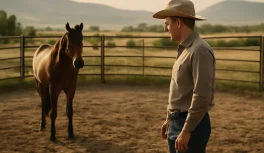
Children who already have contact with horses — whether through therapeutic riding, riding lessons, or family farms. For these children, the room is an extension of the world they already love; the decorative elements have genuine emotional reference.
Children with authentic, sustained interest in horses — not just the passing phase most children go through, but the interest that persists for months and drives questions, reading, and imaginative play. This profile tends to keep the theme relevant for years.
Children with a temperament that connects with what horses represent — adventure, speed, care for animals, partnership. An equestrian room doesn’t require a child who rides; it can be for children who dream of open fields.
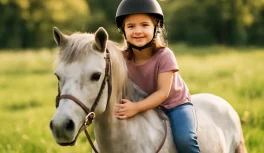
For young children (ages 2–5), the theme should be lighter and more playful — illustrated horses, soft textures, gentle colors. For older children (ages 8–12), the theme can be more realistic and informative — photographs of actual horses, anatomically correct sculptures, books about breeds and equestrian sport.
The Layering Strategy: Base vs. Accent
The smartest approach to a themed room works in layers with different useful lifespans:
Layer 1 — Base (long-lasting, 10+ years): Natural wood furniture, wall colors in warm neutrals (cream, sand, caramel, soft rust), wood or natural-texture floors. None of these elements needs explicit equestrian imagery — they create the context that makes the theme work.
Layer 2 — Theme-Structural (medium-lasting, 5–8 years): Equestrian-themed bedding, curtains with field or horse patterns, equestrian-motif rug. These items define the theme clearly but are easier to swap as the child grows.
Layer 3 — Accent (short-lasting, 2–4 years): Decorative pillows, artwork, small sculptures, shelf objects. These can be updated as the child moves through phases — from a farm scene to a photograph of a competition rider.
This layering structure avoids the most common problem with themed rooms: an environment that ages quickly because the theme is built into the base layer rather than the accent layer.
Furniture and Architectural Elements
For children who are genuinely passionate about the theme, some furniture and architectural choices can elevate the room from “horse decoration” to “equestrian environment”:
Bed with carved wood headboard: A headboard with a horse silhouette in wood — either carved in relief or cut into a horse shape — creates the room’s focal point in a permanent, quality way.
Shelving with stable-style framing: Shelves with finishes that reference wooden stable construction — rails, iron hardware, rough-hewn wood — create equestrian context without needing a horse image.
Equestrian hooks and coat rail: Wrought iron in horseshoe shapes, hooks in the form of snaffle bits or bridle cheekpieces, coat rails with horse silhouettes — functional and decorative.
Wall mural: A painted mural — a pastoral scene, horses in a meadow, a show jumping competition — on one wall of the room creates immediate visual impact and can be as detailed as desired.
Color Palette: Beyond Brown and Pink
The first association with an equestrian children’s room tends toward brown, cream, and beige — which works, but isn’t the only option:
Denim blue + cream + natural wood: References American ranch style and the denim of the stable yard. A fresh, less conventional palette that works especially well for boys’ rooms.
Moss green + terracotta + wood: A European country field palette — English gardens, Irish meadows. Has a more sophisticated quality than the classic brown/cream palette.
White + black + wood: For a more contemporary equestrian room — horse silhouettes in black on white have a clean graphic impact that can age better than more elaborate palettes.
Rust + antique gold + linen: The palette of leather and hardware — the palette of the bridle, the stable, the saddle. Warm, adult enough to survive into the teenage years.
The palette choice should factor in the room’s natural light: rooms with limited natural light benefit from lighter palettes; well-lit rooms can embrace richer, deeper palettes.
Collectible Items and the Educational Dimension
For children with genuine enthusiasm, the equestrian room can also have an educational and collectible dimension:
Breed miniatures: Quality resin or ceramic horse breed miniatures — with breed identification — educate while decorating. They can be displayed on shelves and rearranged as the child learns about each breed.
Books with equestrian illustrations: A small library of horse books — breeds, behavior, history, Olympic equestrian sport — integrated into the room as both decorative and educational objects.
Ribbons and trophies for competing children: For children who already compete, a wall or shelf dedicated to competition ribbons and trophies creates a space of pride and motivation — and adds genuine personal authenticity to the theme.