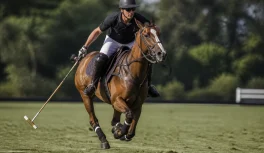
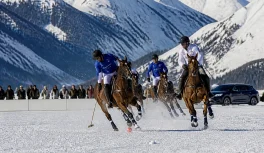
When the Formula 1 season passes through Monaco, there is an unofficial ritual that the most attentive observers recognize: in the days before the Grand Prix, the Principality transforms into an extension of the global elite social circuit — and frequently includes polo events organized specifically for race week. This is not coincidence. It is the result of decades of convergence between two sports that, though they appear to inhabit opposite universes, were built on the same foundation of extreme excellence, unprecedented investment, and a culture that celebrates performance as a way of life.
The alliance between polo and Formula 1 is today one of the most sophisticated in world sport — and one of the least documented outside the circles that live it.
How Polo and Formula 1 Became Natural Partners
The logic of the partnership begins with the audience. The spectators in the Formula 1 paddock — especially at Monaco, Abu Dhabi, Miami, and Silverstone — belong to an economic and social stratum that is virtually identical to the attendees at the great high-handicap polo tournaments. These are executives, heirs, investors, celebrities, and members of royalty who move effortlessly between one sport and the other.
Brands understood this before the event organizers did. When Aston Martin returned to Formula 1 as a constructor in 2021, it was no surprise that the brand also maintained associations with polo tournaments — after all, the customer who buys a DBX or a Vantage is the same person who frequents the fields at Windsor or Dubai. The marketing message is essentially identical: British performance, impeccable heritage, exclusivity available only to those who can pay the price.
Red Bull, true to its vocation for creating bridges between adrenaline sports and culture, has also moved through polo events in various markets, particularly in Latin America, where the brand has a strong presence and where polo has deep roots.
The Paddock as Meeting Point of the Two Cultures
The Formula 1 paddock is, above all, a hospitality space. On race weekends, the structures built by sponsors and teams to receive VIP guests rival, in sophistication and investment, any high-level polo event. Michelin-starred chefs, sommeliers, personalized service, exclusive access — the language is exactly the same.
This overlap created an interesting category of hybrid event: polo held as part of the pre-race or hospitality programming during Formula 1 weekends. Abu Dhabi is perhaps the most consistent example: the season finale at the Yas Marina Circuit frequently coincides with polo and equestrian events in Dubai, just a short drive away, and brands use the week to organize activations that connect the two worlds for their guests.
Formula 1 Teams and Their Connections to Polo
Some Formula 1 teams have developed particularly visible connections to the polo world.
Ferrari is the most emblematic case — not only because of the symbol (the Cavallino Rampante, which originates directly from an Italian war horse of the First World War) but because of Scuderia culture, which has always combined cutting-edge technology with a sense of beauty and elegance that resonates deeply in polo. The Ferrari tifosi and high-handicap polo enthusiasts share something similar: a devotion that transcends sporting results and inhabits the territory of identity.
McLaren, which in recent years has repositioned its brand toward the ultra-exclusive segment, also has a presence at equestrian events as part of its hospitality strategy. The brand found in polo an environment where its cars and values communicate naturally with the audience it wants to reach.
Drivers Who Carry Polo Culture into the Cockpit
The presence of Formula 1 drivers on polo fields is one of the most fascinating aspects of this alliance. For several of the sport’s greatest drivers, polo has represented high-intensity physical and mental training during the off-season.
Fernando Alonso is the most frequently cited example. The two-time champion from Asturias has practiced polo regularly throughout his career — and the connection is not merely one of lifestyle. In polo, Alonso found the kind of challenge that combines rapid reading of dynamic situations, extreme physical control, and decision-making under pressure: exactly what a Grand Prix demands, but in a radically different format.
Carlos Sainz Jr., son of rally world champion Carlos Sainz and today one of the best drivers of his generation, has a history of playing polo during his off periods. The connection between the two sports is, for many athletes of this generation, a way to maintain competitive edge and mental agility without the injury risk that other contact sports would impose.
Polo Tournaments That F1 Helps Sustain
The alliance is not one-directional. Just as polo offers Formula 1 a sophisticated hospitality environment aligned with its values, Formula 1 — and the automotive brands associated with it — offers polo visibility and resources that help sustain the sport in markets where it would not be viable on its own.
Professional polo is an expensive sport. Maintaining a competitive high-handicap team requires horses of exceptional quality, stables, veterinarians, coaches, and a support structure that can easily exceed the budget of a mid-table soccer club. Sponsorships from luxury automotive brands — Porsche, Land Rover, Aston Martin, Ferrari — are often what financially makes the great tournaments possible.
In return, those tournaments offer brands something Formula 1 cannot always provide: exclusivity. At a high-handicap polo tournament, the spectator count is limited and the economic profile of the audience is extraordinarily high. It is the kind of environment where a luxury brand can speak directly to its ideal customer without the dilution that a mass event inevitably brings.
What to Expect from the Alliance’s Future
The trend points toward deepening. With Formula 1 expanding into new markets — Miami, Las Vegas, São Paulo, Abu Dhabi, Singapore — the demand for high-level hospitality events around races only grows. And polo, with its capacity to create genuinely exclusive environments, is well positioned to be a frequent component of that ecosystem.
New generations of drivers — many arriving in the sport with backgrounds in other high-performance disciplines, including equestrian — also contribute to the continuity of the alliance. The idea that polo and Formula 1 belong to the same cultural universe is increasingly consolidated among athletes, brands, and the audience that follows both sports.