Training a Paso Fino is one of the most rewarding experiences in horsemanship — and one of the most frequently misunderstood. The breed’s intelligence, sensitivity, and natural gait create a horse that can reach extraordinary levels of refinement under the right handling, but that same sensitivity means a poor trainer can create problems just as quickly as a good one creates solutions.
This guide covers how to train a Paso Fino horse from foundational groundwork through advanced gait refinement — with specific attention to what makes the Paso Fino different from trotting breeds, and what common mistakes to avoid.
Understanding the Paso Fino Before You Train
Before a single training session begins, the trainer needs to understand two things about the Paso Fino that differ from most other breeds.
The gait is genetic, not manufactured. A Paso Fino with the right genetics will offer lateral gait naturally — the trainer’s job is to develop, refine, and stabilize what’s already there, not to install a gait that doesn’t exist. Training methods that force gait through mechanical devices (heavy shoes, chains, exaggerated equipment) are not only prohibited in serious competition but counterproductive — they create tension and irregular movement rather than the effortless, regular four-beat pattern the breed is capable of.
The breed is sensitive and intelligent. What works for a Quarter Horse — repetition until the horse stops reacting — often doesn’t work for a Paso Fino. The breed responds better to clear, consistent communication with immediate release, variety in training sessions to avoid boredom, and a confident handler who signals calm rather than tension.
Foundation: The First 6–12 Months
1. Groundwork before riding
Every Paso Fino training program should begin with extensive groundwork: yielding to pressure (leading, head flexion, body yielding), desensitization to equipment and novel stimuli, and basic in-hand work at walk.
A young horse that moves freely from light pressure in all directions, stands calm for tacking, and follows the handler attentively is a horse that is safe and ready to ride. Rushing this phase creates problems that are much harder to fix under saddle.
2. Longeing and in-hand gait work
The natural Paso Fino gait will often appear during longeing before the horse is ever mounted — especially if the trainer allows the horse to move freely at a natural pace without pushing for speed. When the lateral gait appears, the trainer should allow it without interference. Interrupting natural gait with corrections teaches the horse that gait is unwanted.
In-hand work at the walk focuses on forward motion, relaxation, and rhythm. Do not try to force paso gait at this stage — allow it if it appears, but don’t demand it.
3. First rides: focus on relaxation, not gait
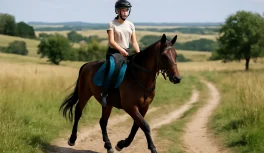
The first rides on a young Paso Fino should have one goal: a relaxed, forward horse that moves away from the leg without tension. Gait will often appear naturally as the horse relaxes and reaches forward. Fighting for gait before the horse is relaxed and forward produces a tense, choppy movement — not the smooth lateral amble the breed is capable of.
A common beginner mistake: the new Paso Fino owner “collects” the horse too early, shortening the neck and slowing movement in an attempt to produce the collected paso fino gait. In an unfinished horse, this creates only restriction, not collection. Collection must be earned through forward work first.
Developing the Three Gaits
Paso fino (exhibition gait)
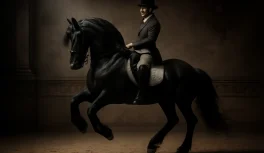
The paso fino — collected, rapid, precise — is developed after the horse is confidently working in paso corto. Collection is added gradually through half-halts, collection exercises, and transitions. The ideal paso fino emerges when the horse is both forward (energetic) and contained (the energy channeled rather than expressed outward).
Training the paso fino for the wooden board (tablado) — the show platform — requires specific exercises: working on varied surfaces including hard ground, transitions into and out of the gait, maintaining footfall regularity at different speeds.
Paso corto (working gait)
This is the gait used for trail riding and everyday work. The paso corto develops before the paso fino — it is the “working” version of the breed’s gait, more extended, more ground-covering, less collected.
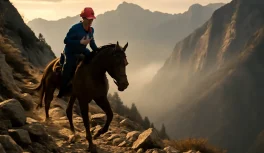
Training focus: forward and relaxed movement, maintaining laterality on varied terrain, transitions between collected and extended versions of the corto. Trail rides are among the best training tools for the paso corto — real terrain, varied footing, and a horse that must balance and maintain gait independently.
Paso largo (speed gait)
The paso largo is the breed’s speed gait — extensions reaching 30+ mph while maintaining laterality. Few trainers develop the paso largo intentionally outside of competition preparation; it develops naturally in horses with strong paso corto as they are encouraged to extend.
Warning: pushing a horse into the paso largo before it has a confirmed paso corto often produces a broken gait (trot or canter) rather than a true largo. The gait sequence must be established at moderate speed before extension.
Common Training Problems and Solutions
The horse breaks to trot: This is the most common issue with gaited horses in training. Causes include: too much speed, tension, unbalanced rider, terrain too difficult for the horse’s training level. Solutions: slow down, reestablish relaxation, work on easier terrain, check rider position (a tense or unbalanced rider is a primary cause of gait breaking).
Irregular footfall (not “clean” four-beat): Caused by tension, lack of forward, conformational issues, or poor footing. The trainer should first check the horse’s soundness (lameness can produce irregular gait before obvious limping), then address tension and forward if the horse is sound.
Loss of gait under stress: A horse that maintains paso in the arena but breaks to trot on trail or in groups needs more exposure — progressive desensitization to the conditions that cause the gait to break. This is normal in young horses and resolves with trail experience.
Resistance to collection: Over-collection too early is one of the most common trainer errors with Paso Finos. If the horse resists collection — hollowing the back, bracing through the neck — return to forward work without collection demands. Collection is built slowly, never forced.
Equipment Notes
Bit selection: The Paso Fino world uses a wide variety of bits, from snaffles to curbs. Young horses and horses in foundation training should always start in a mild snaffle. Curb bits belong in trained horses with educated riders.
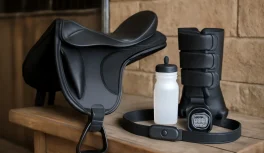
Saddle fit: A saddle that pinches, rocks, or sits too far forward will cause tension and irregular gait. Invest in a proper saddle fitting before attributing gait problems to training.
Paso Fino-specific tack: Traditional Paso Fino saddles (la silla) are used in the show world but unnecessary for trail and pleasure riding. Modern western and gaited-horse endurance saddles work well for trail Paso Finos.