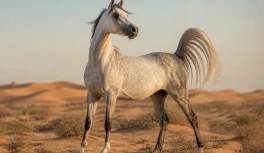
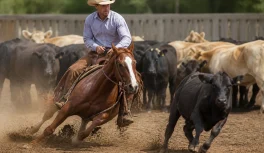
Picture spending hours in the saddle without feeling every stride jolt through your spine. That is the promise behind the Tennessee Walking Horse breed, an American gaited horse known for its smooth way of going, its easygoing temperament, and its knack for winning over riders of every age. In this guide, you will get a quick look at where the breed came from, learn the three gaits that made it famous, see what it is like to live and ride with, and find out who it really suits.
If you want a comfortable partner for long rides, or you simply want to know why so many riders talk about “the gait that glides,” read on.
What Is the Tennessee Walking Horse Breed?
The Tennessee Walking Horse breed is a gaited saddle horse developed in Middle Tennessee, best known for the running walk, a natural four-beat gait that is remarkably comfortable to ride. It is a medium-to-large horse with a gentle disposition, used mainly for pleasure riding, trail riding, and recreation.
Put simply, this is a horse bred to carry people comfortably over long distances. That purpose explains almost everything about it, from the way it moves to the calm way it reacts to the world around it.
Why Is It Called a Gaited Horse?
Gaited horses are breeds that, in addition to the walk, trot, and canter, perform intermediate gaits in which at least one hoof is always on the ground. That removes most of the bounce of the trot. The Tennessee Walker belongs to a worldwide family of breeds with this trait, alongside the Paso Fino, the Mangalarga Marchador from Brazil, the Icelandic Horse, and the Missouri Fox Trotter. To meet more members of this group, take a look at our guide to smooth-gaited horse breeds around the world.
Where Does the Tennessee Walking Horse Come From?
The breed took shape on the farms of Middle Tennessee over the course of the 19th century. Farmers and plantation owners needed a horse that could cover large tracts of cropland for hours without wearing out the rider. The result was a versatile animal that could inspect fields during the week, pull the buggy to church on Sunday, and lend a hand with farm work when needed.
Several bloodlines went into the Tennessee Walking Horse breed: gaited horses brought by settlers, plus Standardbred, Morgan, Thoroughbred, and American Saddlebred blood. A stallion named Black Allan is recognized as the breed’s foundation sire, and the official breeders’ association was formed in 1935.
That story, full of characters and unexpected turns, deserves its own chapter. For now, it is enough to know that the Tennessee Walker is a relatively young breed, shaped with one very clear goal in mind: comfort.
The Three Gaits of the Tennessee Walker
What sets the breed apart is the way it moves. The Tennessee Walking Horse breed is known for three natural gaits, passed down genetically and polished through careful training.
Flat Walk: The Long, Ground-Covering Walk
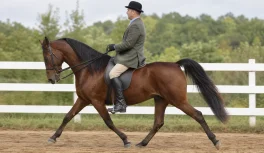
The flat walk is a bold, regular four-beat gait in which each hoof strikes the ground independently. It is longer and brisker than the ordinary walk of many breeds. The head nods gently in time with the stride, and the rider feels a steady movement with almost no impact.
Running Walk: The Breed’s Signature
The running walk is the faster version of the flat walk. It keeps the same four beats, but with longer strides and noticeably more speed. Its hallmark is the overstride: the hind foot lands beyond the print left by the front foot on the same side. At the same time, the horse nods its head and neck in rhythm with its legs.
From the saddle, the effect is a sensation of gliding. There is no moment of suspension as in the trot, so the rider’s back absorbs very little impact. The gait has so many technical details that it gets an article of its own in this series.
Canter: The Rocking-Chair Gait
The third gait is the canter, a high, rounded three-beat gait. Breeders and riders often compare it to a rocking chair because of its smooth, rolling feel. It is not a racing gallop but an elegant, controlled movement, perfect for changing the pace on a ride.
A Natural Gait, Not a Manufactured One
One point is worth stressing: the running walk is inborn. Foals of the breed often show it at a young age, loose in the pasture. Training refines the gait and makes it consistent; it does not create it. Today the Tennessee Walking Horse breed is prized precisely for this natural gait on pleasure and trail rides.
What Is the Tennessee Walking Horse Temperament Like?
If the gait is the breed’s calling card, temperament is what makes people stay. The Tennessee Walking Horse breed has a reputation for being calm, kind, and cooperative. It tends to handle new situations with composure and to bond closely with the people who care for it.
Certain behavioral traits show up again and again:
- Docility: accepts daily handling, grooming, and human contact well.
- Willingness to work: usually shows a good attitude without needing much pressure.
- Emotional steadiness: tends to spook less than “hotter” breeds such as the Arabian or the Thoroughbred.
- Intelligence: learns routines easily, which helps in training.
Of course, every horse is an individual. Breeding, management, and training history all shape behavior. Even so, the breed’s reputation as a gentle, easygoing partner is widely shared by breeders and riders in many countries.
Is It a Good Family Horse?
In most cases, yes. The combination of calm and comfort makes the Tennessee Walking Horse breed a frequent choice for families looking for a pleasure horse. Older riders, people returning to riding after years away, and riders with sensitive backs or joints often appreciate the low-impact gait. Even so, children and beginners should always ride under supervision and on well-trained horses.
General Appearance of the Breed
Without going deep into the breed standard, you can spot a Tennessee Walker by a few distinctive traits. Height usually falls roughly between 14.3 and 16.3 hands (1.50–1.70 m) at the withers, with a well-proportioned body, a long, elegant neck, sloping shoulders, and a strong hindquarter built to drive the gait.
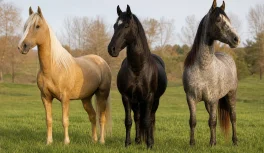
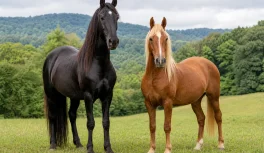
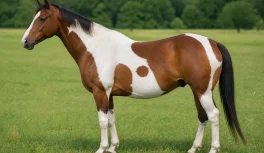
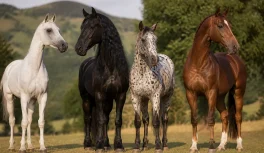
The head is refined, with expressive eyes and alert ears. Coat colors vary widely: chestnut, gray, black, bay, roan, palomino, and patterns with white markings, among others. That range of colors is one of the breed’s charms, and it is explored in detail in our article on build and coat colors.
What Is the Tennessee Walking Horse Breed Used For?
Versatility is one of the breed’s strengths. Although it is best known for comfort, it adapts to a range of equestrian activities.
Pleasure and Trail Riding
This is the natural home of the Tennessee Walking Horse breed. The running walk lets horse and rider cover long distances quickly and with little fatigue. On rides lasting several hours, the difference compared with trotting breeds is obvious by the end of the day. It is no surprise that the breed shows up often among the best horse breeds for trail riding and equestrian tourism around the world.
Recreational Riding
For hobby riders, the Tennessee Walking Horse breed offers a pleasant, relaxing experience. Rides around a farm, group trail rides, and other recreational outings suit its temperament well.
Natural-Gait Shows
Some classes and shows are dedicated to judging the quality of the natural gait, the horse’s obedience, and its presentation. Horses are evaluated on the regularity, smoothness, and elegance of their movement across different riding divisions.
Equine-Assisted Activities and Ranch Work
Thanks to their calm nature and smooth gaits, horses of the breed can also take part in equine-assisted activities, always under the guidance of qualified professionals. On farms and ranches, some still do their original job: checking livestock and covering pastures in comfort.
Who Is the Tennessee Walker Right For?
No breed is perfect for everyone. But the Tennessee Walking Horse breed is an especially good fit for certain riders:
- Riders who value comfort: people who want to spend hours in the saddle without aches.
- Riders with sensitive backs or joints: the gait reduces impact compared with the trot.
- Trail riding and equestrian travel enthusiasts: stamina and efficiency over long distances.
- Beginners working with an instructor: a cooperative temperament makes the first steps easier.
- Experienced riders looking for a new technical challenge: refining and maintaining the gait takes feel and finesse.
When It May Not Be the Best Choice
If your goal is short-distance racing speed, high-level jumping, or cattle events that demand explosive bursts, other breeds may suit you better. The Tennessee Walker shines in comfort and consistency, not in sprints.
Basic Care for the Breed
The Tennessee Walking Horse breed is considered hardy and easy to keep, but it needs the same essentials as any horse: a balanced diet, constant access to clean water, proper shelter, regular hoof care, and vaccinations and deworming under a veterinarian’s guidance.
A few points deserve special attention in gaited breeds:
- Well-kept hooves: hoof balance directly affects the quality of the gait.
- A well-fitted saddle: because these horses are ridden for long stretches, a poorly fitted saddle can cause discomfort and alter their movement.
- Gentle, consistent training: the natural gait holds up best with regular work, patience, and respectful methods.
If you are just starting out, a good place to begin is our guide on how to care for a horse, which covers the essential routine for any breed.
Fun Facts About the Tennessee Walker
- The rhythmic head nod during the running walk is so distinctive that many fans can identify the breed from a distance by that alone.
- Many riders say they can hold a drink at the running walk without spilling it, a playful claim that captures just how smooth the gait is.
- The Tennessee Walking Horse has been designated the official state horse of Tennessee.
- The breed contributed to the development of other American gaited breeds, such as the Missouri Fox Trotter.
Is the Tennessee Walking Horse Breed Worth Getting to Know?
For anyone who dreams of long, relaxed, comfortable rides, the answer is an enthusiastic yes. The Tennessee Walking Horse breed brings together a one-of-a-kind natural gait, a gentle temperament, and a versatility that appeals to families and seasoned riders alike. It is a breed born to carry people far, and smoothly, and it keeps winning admirers around the world.