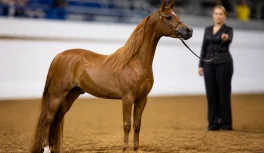
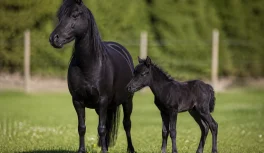
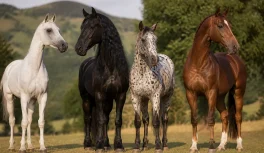
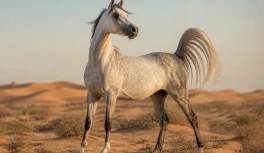
Elegant, long-necked, and soft-eyed, the Tennessee Walking Horse turns heads even standing still. But what exactly defines the look of this American breed? In this guide, you will explore the key Tennessee Walking Horse characteristics: approximate height and weight, head, neck, shoulders, hindquarters, legs, mane and tail, plus the breed’s huge range of coat colors, its temperament, and its lifespan. It is a complete portrait of a horse built to move in comfort.
Why Does Conformation Matter So Much in This Breed?
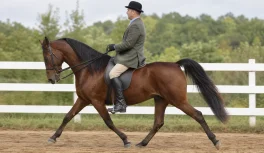
In any breed, the body tells a story. In the Tennessee Walking Horse, conformation is directly tied to the natural gait that made the breed famous. A sloping shoulder, a long neck, and powerful hindquarters are not just cosmetic details: they allow long strides, balance, and a smooth ride.
That is why understanding Tennessee Walking Horse characteristics helps both prospective buyers and anyone who simply admires the breed. A trained eye can spot the signs of a well-built horse right in the stall.
What Should You Look For When Evaluating a Horse?
When assessing Tennessee Walking Horse characteristics in a particular animal, look at the whole picture before the details. View the horse from the side, the front, and behind, standing square on level ground. Then watch it move, at the walk and in its natural gait. Balanced proportions, correct legs, and free movement usually tell you more than any single trait. If possible, get the opinion of a veterinarian or an experienced breed professional before making any purchase decision.
Approximate Height and Weight
Height and weight are among the most searched Tennessee Walking Horse characteristics. This is a medium-to-large horse. Most stand roughly 14.3 to 17 hands (about 59 to 68 inches, or 1.47–1.73 m) at the withers. A hand equals 4 inches and is the standard unit for measuring horses in the United States.
Weight usually falls somewhere around 900 to 1,200 pounds (400–550 kg), depending on height, age, body condition, and workload. Some individuals are lighter and others more substantial, and that is perfectly normal within the breed.
Is There an Ideal Height?
There is no “right” height. Taller riders may prefer bigger horses, while shorter riders and beginners often feel more secure on a moderately sized horse. Among all Tennessee Walking Horse characteristics, overall balance and a good match between horse and rider matter more than height.
Head and Neck: Elegance at First Glance
The Tennessee Walking Horse’s head is usually well proportioned with a straight profile, expressive eyes, and well-set, moderately sized ears. The overall expression conveys alertness and calm, which fits the breed’s temperament.
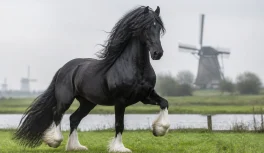
The long neck is one of the easiest Tennessee Walking Horse characteristics to recognize. It ties into the body at a good angle and lets the horse carry its head naturally and elegantly. The neck also has a practical job: it takes part in the head nod that accompanies the gait, helping the horse balance during its long strides.
How Does the Head Blend Into the Whole?
In a well-balanced horse, the head and neck form a fluid line to the withers, with no abrupt breaks. A clean, well-defined throatlatch makes flexion easier and contributes to the horse’s lightness in the rider’s hand.
Shoulders, Back, and Hindquarters
Sloping Shoulder
The Tennessee Walking Horse’s shoulder is typically long and sloping. That angle favors a long reach with the front legs and absorbs impact better, adding to the breed’s signature comfort.
Back and Loin
The back tends to be relatively short and strong, with a well-coupled loin. This structure helps transfer power from the hindquarters forward without wasting energy.
Hindquarters and Hind Legs
The hindquarters are muscular and powerful, and the hind legs can reach well under the body. That reach is tied to the overstride, when the hind foot lands beyond the front hoofprint. It is the source of the impulsion that makes the horse seem to glide.
For a comparison with a similar gaited breed, take a look at the physical characteristics of the Missouri Fox Trotter, another horse shaped for comfort and stamina.
Legs, Hooves, Mane, and Tail
The legs and hair coat also hold Tennessee Walking Horse characteristics that matter for health and beauty. The legs are sound and straight, with clean joints and well-defined tendons. Adequate bone and correct limb alignment are essential to the horse’s health and durability over the years.
The hooves should be strong and well formed. Regular trimming by a qualified professional maintains natural hoof balance and preserves the breed’s genuine movement.
The mane and tail are usually full and silky, reinforcing the Tennessee Walker’s elegant image. Many owners like to keep them long and well groomed, and a steady routine of brushing, detangling, and cleaning makes all the difference.
What Coat Colors Does the Tennessee Walking Horse Come In?
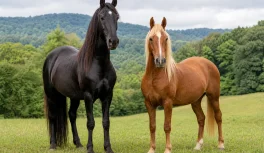
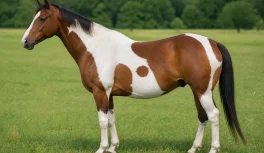
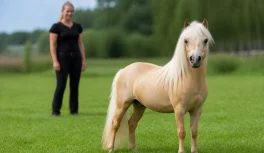
Quick answer: the Tennessee Walking Horse comes in virtually every coat color. The most common are black, chestnut, bay, and buckskin, but you will also see gray, roan, palomino, pinto, and sabino, among others, often with white markings on the face and legs.
This variety is one of the Tennessee Walking Horse characteristics that most delights breeders and fans. Here are the main ones.
Solid Colors
- Black: black hair over the entire body, mane, and tail; prized for its shine.
- Chestnut: reddish or copper tones, with a mane and tail the same color or lighter.
- Bay: a reddish-brown body with black mane, tail, and lower legs.
- Buckskin: a yellowish or golden body with dark mane, tail, and lower legs.
Dilute and Mixed Colors
- Palomino: a golden body with a light, almost white mane and tail.
- Gray: the horse is born dark and lightens with age, sometimes turning nearly white.
- Roan: white hairs mixed evenly with colored hairs over the body, with a darker head and legs.
- Champagne and cream: golden or grayish tones with a metallic sheen and lighter skin; both appear in the breed and draw a lot of interest.
Spotted Patterns
- Pinto (tobiano, overo): large white patches combined with any base color.
- Sabino: irregular white markings, often with speckled edges, frequently on the legs, belly, and face.
White Markings
Stars, strips, blazes, and socks or stockings on the legs are common and help identify each horse individually. In registration and breeding records, these markings are noted carefully precisely because they make every horse unique. When choosing a horse, though, color should never outweigh health, conformation, and temperament.
Temperament: A Calm Mind to Match the Body
Of all the Tennessee Walking Horse characteristics, temperament may be the most praised. The breed is known for being docile, gentle, and cooperative, with a willing attitude toward learning. These horses are generally quiet and adapt well to life around people and to a range of activities, from pleasure rides to farm work.
Of course, every horse is an individual. Breeding, management, and training strongly influence behavior. Still, the mix of natural calm and a comfortable gait explains why so many first-time riders and experienced horse people choose this breed. If you are just getting started, our guide on how to care for a horse as a beginner is a good place to begin.
How Long Does a Tennessee Walking Horse Live?
With good nutrition, veterinary care, regular hoof care, and appropriate work, the Tennessee Walking Horse typically lives roughly 25 to 30 years, and some individuals go beyond that range. Longevity depends heavily on lifelong management: regular dental checks, up-to-date vaccinations and deworming, weight control, and exercise suited to the horse’s age.
Many Tennessee Walkers stay active on light rides well into their senior years, reinforcing the breed’s reputation as a long-term companion. That durability, combined with the other Tennessee Walking Horse characteristics, makes the breed a partner for many years to come.
Tennessee Walking Horse Characteristics at a Glance
| Trait | Approximate description |
|---|---|
| Height | About 14.3 to 17 hands (1.47–1.73 m) |
| Weight | About 900 to 1,200 lb (400–550 kg) |
| Head | Well proportioned, straight profile, moderate ears |
| Neck | Long and elegant |
| Shoulder | Long and sloping |
| Back | Relatively short and strong |
| Hindquarters | Muscular, with powerful hind legs |
| Mane and tail | Full and silky |
| Coat colors | Nearly all, including solid, dilute, and spotted |
| Temperament | Docile, calm, and cooperative |
| Lifespan | About 25 to 30 years |
A Horse That Is Beautiful Inside and Out
Tennessee Walking Horse characteristics reveal a breed designed for comfort: a long neck, sloping shoulder, and strong hindquarters work together to create smooth strides, while a calm temperament makes the horse a pleasure to be around. Add an almost endless palette of coat colors, and it is easy to see why this horse wins admirers in so many countries.