Owning a horse for the first time is one of the most rewarding decisions you can make — and one of the most demanding. Horses are not passive animals that exist in a pasture until you arrive on weekends. They are large, intelligent, deeply social creatures with precise physiological needs that must be met every single day, regardless of weather, schedule, or mood.
This guide covers what you actually need to know before bringing your first horse home: daily care requirements, feeding fundamentals, preventive health protocols, space and shelter standards, and the emotional realities of equine ownership. If you’re still in the research phase, that’s exactly where you should be. Understanding the full picture before committing is not just smart — it’s an act of responsibility toward the animal.
The Reality of Daily Commitment
Before anything else, understand what horse ownership actually looks like on a Tuesday in February when it’s raining.
A horse requires hands-on attention at least twice a day, every day of the year. That means morning and evening checks at minimum — feeding, fresh water, hoof inspection, behavioral assessment. Even if you board at a facility where staff handles basic care, you are still responsible for knowing your horse, monitoring changes, and catching problems early.
Skipping a day is not an option. A horse that goes unobserved for 24 hours is a horse that may develop a serious problem — colic, lameness, injury — without anyone noticing in time to intervene. This is not an exaggeration; it’s the baseline reality of responsible horse ownership.
If your life doesn’t currently allow for twice-daily commitment, full board at a reputable facility is not a compromise — it’s the right answer. Many experienced owners choose full board precisely because it ensures consistent care without relying solely on personal availability.
Feeding: Getting the Fundamentals Right
Horse nutrition is built on one foundational principle: roughage first, everything else second.
Horses are hindgut fermenters with a digestive system designed for continuous grazing — up to 16 hours per day in natural conditions. Their stomachs are relatively small and produce acid continuously, which means a horse that goes without forage for more than four to six hours is at risk for gastric ulcers, colic, and behavioral problems.
Roughage — pasture grass, hay, or a combination of both — should make up 60–80% of a horse’s total diet. The practical target is 1.5–2% of body weight in dry matter per day. For a 1,100-lb (500 kg) horse, that translates to roughly 16–22 lbs (7.5–10 kg) of dry hay daily.
Concentrates (grain, pellets, commercial feeds) are appropriate only for horses with elevated energy demands: young horses in active training, lactating mares, horses recovering from illness or injury, or hard-keeping horses that can’t maintain weight on forage alone. For a mature horse in light work or pasture retirement, concentrates are not just unnecessary — they can cause serious harm if fed without need.
Never make abrupt changes to a horse’s diet. Switching hay types or introducing concentrates too quickly disrupts the hindgut microbiome and can trigger colic or laminitis. Any dietary change should be implemented gradually over 7–14 days.
Fresh water must be available at all times. An adult horse drinks 6–13 gallons (25–50 liters) per day under normal conditions, significantly more in heat or during exercise. Inadequate water intake is one of the leading causes of impaction colic.
Space, Shelter, and the Importance of Movement
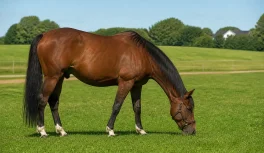
A horse needs space to move — and movement is not a luxury, it’s a physiological requirement. Horses evolved as animals that cover miles daily. Confinement without adequate movement leads to health problems including colic, muscle weakness, stereotypic behaviors (cribbing, weaving, stall walking), and mental distress.
For a horse kept primarily on pasture:
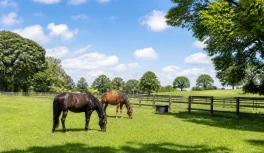
- Good-quality pasture: 1.2–2.5 acres (0.5–1 ha) per horse
- Average-quality pasture: 2.5–5 acres (1–2 ha) per horse
These numbers assume active, productive forage. During dry seasons or winter, even adequate acreage may require hay supplementation.
Never allow a horse to graze pasture below 4 inches (10 cm) in height. Grazing that close to the ground increases sand ingestion (sand colic risk) and brings the horse into contact with a higher concentration of parasite larvae deposited in manure.
For horses kept in stalls or runs, the stall minimum is 12×14 feet (3.6×4.3 m) for an average-sized horse, with daily turnout in a paddock or pasture. A horse that spends more than 16 hours per day confined without turnout is not being kept in humane conditions, regardless of how clean or well-appointed the facility is.
Shelter from extreme weather is non-negotiable — either a run-in shed large enough for all horses in the pasture to use simultaneously, or individual stalls. The shelter must be dry, well-ventilated, and free of structural hazards.
A Practical Daily Care Routine
Consistency is the foundation of good horse management. A morning routine typically includes:
- Observe behavior before approaching: is the horse at the fence, at the hay, or standing in a corner? Abnormal positioning can signal pain or illness.
- Check for fresh manure in the stall or paddock — absence suggests colic risk.
- Inspect each hoof visually before picking it out. Look for heat, swelling, or foul odor (signs of thrush or abscess).
- Fresh water and morning feed.
- A quick visual scan of the body for new wounds, swelling, or skin changes.
The afternoon check includes:
- Second feeding and fresh water.
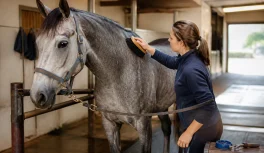
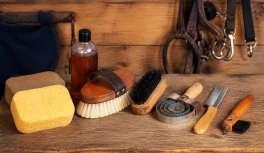
- Grooming — which serves both hygiene and health monitoring functions. You will notice a skin lesion, a swollen tendon, or heat in a joint long before it becomes a serious problem if you run your hands over your horse daily.
- Turnout or exercise as the schedule allows.
Neither check needs to take hours. A thorough morning check takes 20–30 minutes. The point is consistency — seven days a week, every week of the year.
Preventive Health: The Non-Negotiable Calendar
Reactive veterinary care is expensive and often heartbreaking. Preventive care is neither — and it dramatically reduces the risk of the conditions that send new owners into emergency situations.
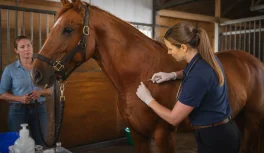
Vaccinations: Core vaccines for horses in the United States include tetanus (annually, with a booster following any deep wound), Eastern and Western equine encephalomyelitis, West Nile virus, and equine influenza (semi-annually for horses with regular contact with other horses). Your veterinarian will recommend additional regional or situational vaccines based on your location and use patterns.
Deworming: Modern deworming has moved away from routine calendar-based treatment toward targeted selective treatment based on fecal egg count (FEC) testing. A fecal egg count categorizes horses as low-shedders (<200 eggs per gram/EPG), moderate shedders (200–500 EPG), or high shedders (>500 EPG), and treatment is directed accordingly. This approach reduces anthelmintic resistance — a growing problem with benzimidazoles already showing significant resistance in cyathostomin populations — and avoids treating horses that don’t need it.
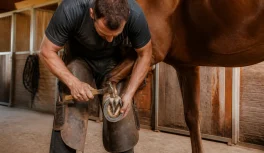
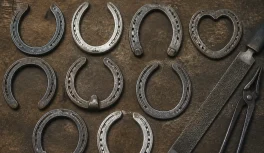
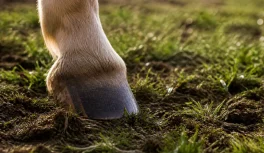
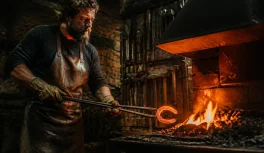
Farriery: Hooves grow approximately 3/8 inch (1 cm) per month and require trimming or shoeing every 6–8 weeks. A horse that goes beyond this interval develops hoof imbalances that translate to joint stress, tendon strain, and lameness over time. Even barefoot horses need regular attention from a qualified farrier.
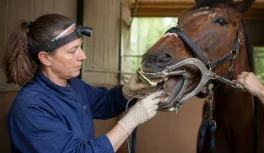
Dental care: Horses have hypsodont (continuously erupting) teeth that develop enamel points — sharp ridges on the outer edges of upper molars and inner edges of lower molars — that lacerate soft tissue with every chew. Annual dental exams with floating (smoothing the points) are standard for adult horses in good health, with semi-annual exams for horses under 5 and over 18.
Social Needs: Horses Are Not Solitary Animals
This is perhaps the most underestimated aspect of equine care among new owners: horses are herd animals with a genuine psychological need for social contact with other horses.
A horse kept alone, even with excellent physical care, is likely to develop stress-related behaviors — weaving, cribbing, wood chewing, stall walking, or chronic anxiety that affects appetite and trainability. This is not a temperament issue; it is a welfare issue.
If you are not in a position to keep two horses, board at a facility with other horses or arrange shared turnout with a neighbor’s animals. Even non-horse companions — goats, donkeys, miniature horses — are meaningfully better than complete isolation.
Find a Mentor Before You Buy
The single most effective piece of advice for any first-time horse owner: find a mentor who will be honest with you.
Not a trainer who benefits from selling you lessons, not a seller who benefits from your purchase, not an online forum. A knowledgeable, experienced horse person — ideally a local veterinarian, a long-time boarder, or an experienced owner in your discipline — who will assess a prospective horse with you, walk you through your first farrier appointment, help you recognize early signs of colic, and tell you when you’re making a mistake.
Horse ownership has a learning curve measured in years, not weeks. The people who navigate it best are the ones who walk in with enough humility to ask questions and enough patience to wait for the right answers.