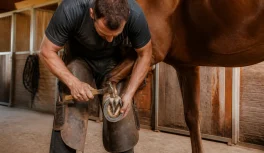
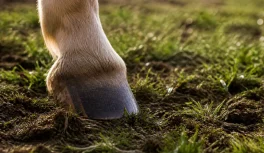
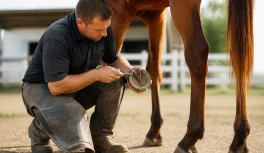
The shoe on a horse’s hoof is not an aesthetic detail — it is a piece of technical equipment that directly affects the biomechanics of the limb, the animal’s comfort, and its performance in any discipline. Horseshoe types vary by material, shape, weight, and purpose, and the wrong choice can create problems where there were none.
Understanding the available options helps owners have more informed conversations with their farrier — and understand why a particular shoe costs what it costs.
Where Does the Horseshoe Come From?
The history of the horseshoe is long. The earliest records of artificial hoof protection date back to antiquity — Central Asian peoples used a kind of leather and plant-fiber sandal to protect hooves on rocky terrain. The nailed metal shoe as we know it today became established in medieval Europe around the ninth century and changed little in its basic structure over the following centuries.
What changed profoundly was the variety of materials, shapes, and purposes. Today, the equine industry produces horseshoes for every imaginable type of use — from the working farm horse to the high-performance competition horse.
What Are the Main Types of Horse Shoes?
Steel Shoes: The Traditional Standard
Steel is the most widely used horseshoe material worldwide. The conventional steel shoe is durable, relatively inexpensive, available in virtually any region with an equestrian presence, and suitable for most uses.
Within steel, there are important variations:
Plain carbon steel shoes: the most basic option. Produced in standardized sizes, these work well for horses in general use — farm work, leisure riding, recreational equestrian activities.
Stainless steel shoes: more resistant to corrosion, recommended for horses that live and work in humid or salty environments. The cost is slightly higher than plain carbon steel.
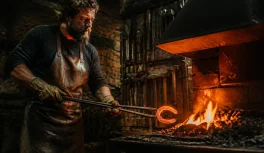
Hot-forged steel shoes: the farrier heats the metal and shapes it during the shoeing session to match the specific contour of that horse’s hoof. This is the traditional method and allows fine adjustments impossible with factory-made shoes.
Aluminum Shoes: Lightweight Performance
Aluminum shoes are standard in high-level equestrian sport — show jumping, professional rodeo, racing. The reason is straightforward: they weigh significantly less than steel.
In a horse that takes hundreds of strides per day in training and competition, reducing weight at the end of the limb — where inertial mass is greatest during movement — has a real impact on muscular effort and stride speed. Racehorses, for example, use extremely thin, lightweight aluminum shoes.
The drawback is durability: aluminum wears faster than steel. On horses that work on abrasive terrain, replacement may be needed more frequently.
Rubber or Plastic Shoes: Cushioning and Adaptation
Less common but with important specific applications. Rubber or polymer composite shoes are used on horses that need to work on concrete or asphalt — urban settings or situations where extra impact absorption is needed.
They are also used in rehabilitation, when the veterinarian needs to reduce shock to inflamed or recovering structures. They don’t replace steel or aluminum for regular use, but they have genuine value in specific contexts.
Horseshoe Shapes: Beyond the Classic Arc
Most people picture a horseshoe as a simple metal arc. But the shape varies with function:
Full-round shoe: the shape closest to a complete circle. Reduces the risk of lacerations in horses that interfere — common on working horses and horses that compete in herds or at speed.
Open-heel shoe: the arc doesn’t close completely at the heels. Used when reducing pressure on that region of the hoof is desired — frequent in cases of heel pain or early navicular syndrome.
Heart bar shoe: includes a metal extension that covers part of the frog, redistributing the horse’s weight onto that structure. Used in the treatment of laminitis — a serious inflammatory condition of the hoof.
Egg bar shoe: oval-shaped, extending the support base beyond the heels. Indicated for horses with specific bearing tendencies or in orthopedic cases requiring redistribution of support.
Hot Shoeing vs. Cold Shoeing
This distinction refers to the farrier’s working method, not the material itself.
Cold shoeing: the farrier uses factory-made shoes and adapts them with tools without heating. It is faster and less expensive, suitable for horses with hooves close to standard shapes.
Hot shoeing: the farrier heats the metal in a forge and hammers it to match the specific anatomy of the hoof before application. This allows a much more precise fit — essential for horses with atypical hooves, in orthopedic corrective work, or with high-level competition horses.
Most traditional farriers work hot. Cold shoeing is common in regions where the forge tradition never took hold or in more industrialized contexts.
How to Choose the Right Shoe?
The honest answer is: this decision is not the owner’s to make — it belongs to the farrier, ideally in conversation with the veterinarian. But a well-informed owner participates in that conversation more effectively.
Some criteria that factor into the decision:
Type of use: a trail horse doesn’t need the same shoes as an Olympic show jumper. The shoe should match the level of demand.
Predominant footing: sand, stone, concrete, mud — each surface wears both hoof and shoe differently and may call for specific materials or shapes.
Limb conformation: horses with irregular conformation need shoes adjusted specifically to their anatomy, often with extensions or pads that correct or compensate for imbalances.
Medical history: a horse that has had laminitis, navicular syndrome, or other limb conditions may have permanent needs that only an experienced farrier and veterinarian together can address properly.
How Long Does a Horseshoe Last?
Durability varies considerably with material, use, and footing. Under normal conditions:
- Carbon steel: 6 to 10 weeks, depending on wear rate
- Aluminum: 4 to 6 weeks with regular use; less on abrasive terrain
- Plastic/rubber: lower durability — generally recommended for temporary use
The shoe itself may still be intact when the hoof has already grown beyond its limits. For this reason, the primary criterion for shoeing intervals is hoof growth — not the condition of the shoe.
Custom Shoes: When Is the Investment Worth It?
For high-competition horses, custom shoes — hand-shaped by the farrier specifically for that animal — are common practice and justified. The cost is higher, but the precise fit can make a real difference in performance and in preventing repetitive use injuries.
For the recreational or working horse, a factory shoe correctly applied by a competent farrier serves its purpose very well. The investment in customization makes more sense when the animal already has anatomical particularities or a medical history requiring solutions not covered by standard shoeing.