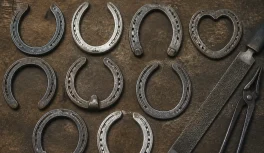
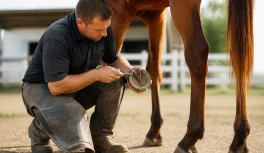
Horse shoeing — the process of trimming the hoof and fitting metal shoes — is one of the oldest and most essential care practices in the relationship between humans and horses. A shoe applied to the right hoof at the right time makes the difference between a healthy, comfortable, productive animal and one that goes lame, loses performance, or develops chronic limb problems.
But when, exactly, does a horse need to be shod? How often should the process be repeated? And what does it cost to keep this care on schedule? These are questions every horse owner faces — and this article answers them clearly.
Why Do Horses Need Shoeing?
In the wild, horses cover tens of miles a day across varied terrain — gravel, earth, sand, pasture. That natural wear keeps the hooves at the right size. The problem is that the domestic horse lives under very different conditions: rubber stable floors, arena sand, concrete yards. The wear is uneven and often insufficient to compensate for the hoof’s natural growth.
Without regular shoeing, the hoof grows unchecked, alters the limb’s angle, and overloads tendons and joints. In horses that work — whether in competition, farm work, or recreational riding — the horseshoe also distributes impact more evenly with each step, protecting the internal structures of the hoof that would be damaged on hard surfaces without that protection.
Does the Hoof Ever Stop Growing?
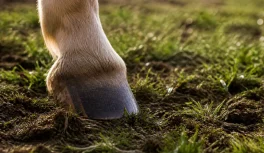
The equine hoof grows an average of 6 to 10 millimeters per month, depending on the breed, diet, season, and the animal’s activity level. This growth is constant and never stops.
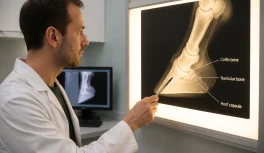
When a shoe isn’t replaced on schedule, the hoof grows beyond the edge of the iron and begins to crack, chip, or deform. The fetlock joint angle shifts, the deep digital flexor tendon is forced to work under poor conditions, and the result can range from acute lameness to chronic injuries that are difficult to treat.
How Often Should a Horse Be Shod?
The standard answer from farriers and veterinarians is: every 6 to 8 weeks. But this interval isn’t universal — it varies according to several factors.
Workload: horses that compete or work intensively wear their hooves more quickly and need attention more often. Some high-performance horses are checked every 4 weeks.
Soil type: horses that live and work on abrasive ground (coarse sand, gravel, concrete) wear both horseshoe and hoof faster. Animals on soft pasture can wait longer.
Genetics and individual growth rate: some horses’ hooves naturally grow faster. The farrier learns this over time, and the ideal interval ends up being personalized for each animal.
Season: in regions with distinct seasons, hoof growth typically accelerates in warmer, wetter months — which may require more frequent interventions during that period.
What Are the Signs a Horse Needs New Shoes?
Even without tracking intervals, there are visible signs that the animal needs attention:
- Loose or shifting shoe: when the shoe gives under hand pressure or rocks on firm ground, the hoof has grown beyond the nails
- Protruding nail heads: nails emerging from the side wall of the hoof indicate the shoe has loosened
- Visible cracks in the hoof wall: fissures that deepen or widen are a sign the hoof has grown too long
- Change in gait: a horse that starts landing differently or stumbling frequently may be signaling hoof discomfort
- Broken or lost shoe: an urgent situation — an unprotected hoof on unsuitable terrain can wear down in a matter of hours
What Does Horse Shoeing Cost?
Shoeing costs vary by country, region, shoe type, and the professional hired. Generally speaking, the total reflects two components: the materials (the horseshoes themselves) and the farrier’s labor.
Basic shoeing with steel shoes: the most common and most affordable. In markets like Brazil, typical costs range from BRL 150 to 400 for a full session (four hooves). In European countries or the United States, the equivalent can vary from USD 80 to USD 200 or more.
Aluminum horseshoes: used on competition horses for reduced weight. These cost more than steel — roughly 30 to 50% more depending on the model.
Orthopedic or corrective shoeing: when the shoe needs to be custom-molded or fabricated to correct gait problems or support issues, costs rise significantly. They can double or triple the price of conventional shoeing.
Barefoot trim (no shoes): for horses kept unshod, the farrier performs only the preparation and balancing of the hoof. This is less expensive than full shoeing — on average, 40 to 60% of the shoeing cost.
What Influences the Farrier’s Price?
Beyond the shoe type, other factors affect cost:
- Geographic location: areas with few qualified farriers tend to have higher prices due to scarce supply
- Travel distance: professionals who travel long distances to reach clients generally charge a travel fee
- Animal behavior: horses that require sedation or special handling add cost and time
- Long-term contracts: owners who engage the same farrier over the long term or have multiple horses often negotiate more favorable rates
Conventional Shoeing or Going Barefoot?
The barefoot movement — keeping horses unshod — gained momentum in recent decades based on studies in equine biomechanics and animal welfare. The theory is that, given proper management conditions, the horse’s hoof can adapt and function well without a metal shoe.
In practice, the decision depends heavily on the individual animal and its use. Horses in light work on soft pasture may do well without shoes. Horses that work on hard surfaces, cover long distances, or compete in demanding disciplines generally need the support a horseshoe provides.
The transition from shod to barefoot takes time, professional oversight, and gradual hoof adaptation. It’s not a decision made overnight — and it isn’t right for every animal. (For a deeper look, see the article on barefoot horses.)
How to Choose a Good Farrier
The farrier — also called a mariscal in some regions, or simply a farrier in English — is a professional whose skill directly impacts the health of the horse’s limbs. A poor job doesn’t just waste money: it can cause problems that take months to resolve.
A few things to evaluate:
Training and experience: good farriers have specific technical training, whether from a dedicated school or through long apprenticeship with experienced professionals. Certifications from professional associations are a positive indicator.
Relationship with veterinarians: qualified farriers work in coordination with veterinarians, especially in orthopedic cases. Be wary of professionals who dismiss clinical guidance.
Time per animal: rushed shoeing is poor shoeing. A professional who completes four hooves in under 20 minutes is likely cutting corners somewhere.
Local reputation: in equestrian communities, a farrier’s reputation builds — and falls — quickly. Asking other owners and trainers is one of the best ways to find a good professional.
Hoof Care Between Shoeing Sessions
The farrier’s work doesn’t replace daily care. Between sessions, the owner has responsibilities that preserve hoof health and extend the shoe’s useful life:
Daily cleaning: removing dirt, manure, and debris with a hoof pick is a habit that prevents infections like thrush (white line disease).
Hoof hydration: overly dry hooves crack easily. In very dry climates, applying hoof-specific moisturizing products helps maintain the proper elasticity.
Visual monitoring: checking hooves daily allows the owner to catch protruding nails, small cracks, or a loose shoe before the problem worsens.
Appropriate footing: preventing shod horses from standing long periods in muddy or permanently wet ground reduces the risk of infection and shoe loosening.
Horse shoeing is an investment in health, performance, and well-being — not an optional expense. Done on schedule, by a qualified professional, with the right shoe for the job, the return is a comfortable, balanced animal ready for work.