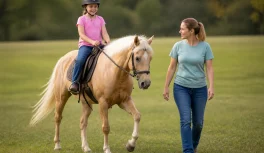
Anyone dreaming of their first ride usually has two worries: falling off and waking up sore the next day. That is exactly where the Tennessee Walking Horse for beginners stands out. Known for its smooth gait and easygoing temperament, this American breed has won over riders around the world who want a dependable horse to learn on safely. In this guide, you will see why the breed is so often recommended for novices, what to evaluate before buying, which tack to use, and which mistakes to avoid in the first few months.
Why Is the Tennessee Walking Horse a Good Choice for Beginners?
When it comes to the Tennessee Walking Horse for beginners, the short answer comes down to two words: calm and comfort. The breed was developed for long days on farms in the American South, where farmers spent hours in the saddle checking their fields. A nervous or rough-gaited horse was no good for that job. Over time, selection favored horses that were steady, cooperative, and smooth to ride.
For a novice rider, that means fewer scares and more time to focus on what really matters: balance, position, and communication with the horse. It is no accident that the Tennessee Walking Horse for beginners shows up so often on lists of recommended horses for pleasure riding and for riding programs aimed at adults.
A Gentle, Predictable Temperament
Temperament is the breed’s greatest asset. These horses are generally described as kind, curious, and eager to please. They tend to react less explosively to new things, such as a plastic bag blowing in the wind or a dog barking at the fence.
That does not mean every Tennessee Walker is perfect. Each horse is an individual, and its handling history matters as much as its genetics. Still, the breed’s tendency to keep a cool head makes the Tennessee Walking Horse for beginners a sensible choice for anyone still building confidence.
A Gait That Forgives Mistakes
The breed’s signature gait is the running walk, a four-beat gait in which at least one hoof is always on the ground. In practice, the rider feels little of the vertical impact typical of the trot. For someone who has not yet mastered sitting or posting the trot, that smoothness is a relief: the body bounces less, the hands stay steadier, and the horse receives clearer signals.
If you want to see how this gait compares with other smooth-gaited breeds, explore our guide to smooth-gaited horse breeds around the world.
A Good Option for Returning Riders and Those With Discomfort
Many adults who rode when they were younger want to get back in the saddle after years away. Others have never ridden because they worried about the impact on their back or knees. For both groups, the Tennessee Walking Horse for beginners is often a more welcoming way in.
Many riders say they feel more comfortable on a gaited horse than on breeds that trot. It is important to be clear, though: horseback riding is not medical treatment. If you have back pain, joint problems, or any health condition, talk to your doctor or physical therapist first. Only a health professional can tell you whether riding is right for you and at what intensity.
What the breed offers is a smoother gait and a temperament that eases tension. Very often, it is the muscle tension caused by fear that leaves a beginner sore the next day.
What to Evaluate Before Buying Your First Tennessee Walking Horse
Buying your first horse is exciting, but choosing a Tennessee Walking Horse for beginners calls for a cool head. The breed helps, but it does not work miracles: picking the right individual is what makes for a good experience.
The Horse’s Age and Experience
For beginners, the golden rule applies to every breed: green horses and green riders do not mix. Choose a mature adult horse with years of work under saddle. Seasoned horses have seen it all and tend to forgive the mistakes of riders who are still learning. A young horse, however gentle, is still forming its habits and needs an experienced rider to guide it.
Level of Training
Ask the seller how the horse was trained, by whom, and for what purpose. A Tennessee Walking Horse for beginners should:
- accept grooming, saddling, and having its feet picked up without resistance;
- stop easily when asked;
- walk in a relaxed way, with no urge to speed up;
- stay calm when ridden out alone and when separated from other horses.
Ask to see someone else ride the horse first, then ride it yourself, ideally with a trusted instructor by your side.
Natural Gait
The breed’s great advantage is its natural gait. Watch whether the horse performs the running walk in a relaxed way, with that characteristic head nod and fluid movement. A natural gait, developed through patient training and standard shoeing, is what you want in a Tennessee Walking Horse for beginners. Be wary of horses that only gait well with special equipment or that look tense when they move.
Pre-Purchase Veterinary Exam
Never skip this step. A pre-purchase exam by an independent veterinarian with no ties to the seller assesses soundness, hooves, vision, heart, teeth, and overall condition. It can reveal problems that do not show up on a test ride and spare you headaches and unexpected expenses down the road.
What Tack Should You Use With a Tennessee Walking Horse?
The right equipment makes both horse and rider more comfortable. A few points deserve special attention:
- A well-fitted saddle: many Tennessee Walking Horses have withers and backs with a shape of their own. A poorly fitted saddle can cause discomfort and interfere with the gait. Have a professional check the fit.
- A simple, mild bit: for beginners, a gentle bit is the best choice. Hands that are still unsteady should not hold severe equipment.
- A certified helmet: essential at every level, and even more so for beginners.
- Boots with a heel: they keep your foot from sliding through the stirrup.
- A quality saddle pad: it protects the horse’s back and absorbs sweat.
If this is your first horse, it pays to sit down with your instructor and build a complete list of basic equipment before you bring the horse home.
What Should Your First Lessons Look Like?
First lessons should take place in a controlled setting, such as an arena or round pen, with a qualified instructor. Even if the horse is calm, a beginner needs to learn the basics before heading out on open trails.
A typical progression includes:
- Groundwork: learning to lead, groom, and saddle the horse.
- Mounting and dismounting safely.
- The walk: balance, leg position, and use of the reins.
- Halts and turns: clear communication with the horse.
- Introduction to the gait: feeling the running walk and following the movement without stiffening.
With a Tennessee Walking Horse for beginners, moving from the walk to the running walk tends to feel less intimidating than moving from the walk to the trot on other breeds. Even so, each stage should be mastered before moving on to the next.
Common Beginner Mistakes
Some slip-ups show up again and again among novice riders, whatever the breed. Even with a Tennessee Walking Horse for beginners, watch out for these:
- Buying with your heart, not your head: falling for a pretty color or a young, high-energy horse.
- Skipping the instructor: assuming a calm horse means you do not need lessons. It does not.
- Gripping the reins too hard: tension in your hands confuses the horse and can disrupt its natural gait.
- Asking for speed too soon: haste is the enemy of a good gait. A relaxed running walk is worth more than a fast, tense one.
- Neglecting the care routine: your bond with the horse is also built on the ground.
Basic Day-to-Day Care
The Tennessee Walking Horse for beginners is generally a hardy horse, but it needs the same attention as any equine. The pillars are:
- A balanced diet, built on quality forage, with professional advice on concentrates.
- Clean, fresh water available at all times.
- Regular hoof care, every few weeks, as recommended by your farrier.
- Vaccinations and deworming on your veterinarian’s schedule.
- Frequent grooming, which keeps the coat healthy and helps you spot injuries.
- Regular exercise and companionship, since horses are social animals.
To go deeper, check out our guide on how to care for a horse as a beginner.
Quick Answer: Is the Tennessee Walking Horse Good for Beginners?
Yes. The Tennessee Walking Horse is considered one of the best breeds for beginners because it combines a calm temperament with a very smooth four-beat gait that reduces the impact the rider feels. The ideal choice is a mature, well-trained horse with a natural gait that has passed a pre-purchase veterinary exam.
Calm, Comfort, and Confidence in One Saddle
Choosing a Tennessee Walking Horse for beginners means betting on a breed that values partnership and a quiet mind. With the right horse, a good instructor, and patience, your first months in the saddle can be as enjoyable as they are safe. The breed’s calm wins you over, and the smooth gait does the rest.