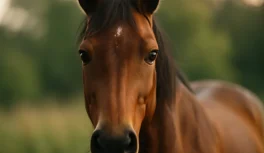
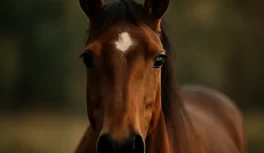
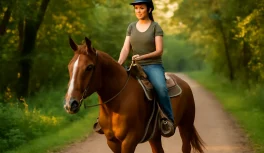
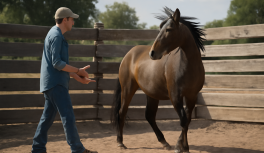
There’s a phrase repeated so often in the Paso Fino world that it sounds like a cliché — until you experience it firsthand: “once you ride a Paso Fino, you never want another breed.” It’s marketing, yes. But it’s also the experience of thousands of riders in Puerto Rico, Colombia, Venezuela, the United States, and increasingly in Brazil.
The Paso Fino horse temperament is a central part of this loyalty. Not just the gait — which is exceptional — but what happens between the rider and the horse when you spend hours in the saddle together.
The Character Profile of the Paso Fino
Attentive, not spooky. The Paso Fino is a curious, alert horse — it observes its environment, notices unfamiliar objects, responds to sounds. But well-bred, well-socialized horses don’t transform this alertness into explosive reactions. They investigate before reacting, which is the equine behavior that gives riders time to manage the situation.
This distinguishes the Paso Fino from horses with “sharp” temperament — highly reactive, prone to shying, unpredictable in new environments. The Paso Fino is alert and present without being volatile.
Willing, almost to excess. Paso Finos have a strong desire to please their riders. They respond quickly to aids and try to maintain the requested gait even when tired or in unfamiliar terrain. This willingness — called brio in the Paso Fino world — is one of the most valued characteristics in the breed.
Brio doesn’t mean difficult or “hot.” It means the horse engages actively with the work, brings energy to each session, and doesn’t require constant chasing to maintain pace. This makes the Paso Fino a pleasant partner for riders who want a responsive horse — and requires a confident rider who won’t be overwhelmed by the breed’s energy.
Affectionate and people-oriented. Paso Finos tend to form strong bonds with their primary handlers and riders. They seek human contact, learn routines quickly, and respond well to positive reinforcement. Many owners describe their horses as “dogs” — affectionate, attentive, expressive.
Intelligent and fast-learning. The Paso Fino learns patterns quickly — not just training exercises but daily routines, handler personalities, and familiar routes. This intelligence is an advantage in training; a Paso Fino that understands what is wanted progresses faster than a less intelligent breed. But it also means the Paso Fino notices and remembers inconsistencies from the rider and handler.
What Does “Brio” Actually Mean?
The word brio appears constantly when Paso Fino people describe their horses, and it can confuse buyers from other breed backgrounds who haven’t encountered it.
Brio is not the same as “hot” or difficult temperament. A horse with brio is energetic, willing, responsive, and active — but controllable and work-oriented. The classic description: “the Paso Fino gives 100% in work and rests completely outside of it.”
A Paso Fino with low brio is described as “lacking fire” — pleasant enough but without the engagement that makes the breed special. A Paso Fino with excessive brio (called caliente or “hot”) can be challenging for inexperienced riders.
The ideal Paso Fino has brio that matches the rider. An experienced competitive rider may prefer a horse with intense brio; a weekend trail rider typically prefers a more moderate animal.
Temperament Differences by Line
Not all Paso Finos have identical temperament — genetics, selection, and origin country matter.
Puerto Rican Paso Fino: Known for fiery brio, compact conformation, and the most refined show gait. Puerto Rican-type horses tend to be more spirited and are often sought by competitive riders who want expression and presence.
Colombian Paso Fino (Paso Fino Colombiano): Generally larger, with a more extended gait and somewhat calmer temperament — more pragmatic, trail-oriented. Colombian horses have a reputation for excellent trail performance and more manageable energy.
American-bred Paso Fino: American breeders have worked both show and trail lines. Show horses tend toward Puerto Rican expressiveness; trail-focused breeders have sought calmer animals with reliable gait maintenance over long rides.
In Brazil, where the population is still small, animals often reflect mixed origin — and temperament varies accordingly. A thorough temperament evaluation before purchase is especially important in the Brazilian market, where lineage documentation can be incomplete.
The Paso Fino and Different Rider Profiles
Beginners: Moderate-brio Paso Finos — often Colombian or American trail lines — are excellent for beginners. The smooth gait means less physical demand from the rider, and a patient, lower-brio horse is forgiving of technical errors. The gait itself also helps beginners develop feel and balance without fighting impact.
Experienced riders: High-brio Paso Finos — Puerto Rican or competitive Colombian lines — reward the experienced rider who can channel that energy. Show-ring Paso Finos especially require a rider who understands how to work with the horse’s sensitivity rather than against it.
Riders with physical limitations: Few breeds serve this profile better than the Paso Fino. The absence of impact in the paso corto makes riding possible for people with back problems, hip issues, or recovering from injuries. Numerous riding programs for people with disabilities use Paso Finos for therapeutic work.
Older riders: The combination of physical comfort, manageable size, and moderate temperament makes the Paso Fino one of the best breeds for riders who want to continue riding as they age.