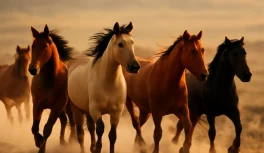
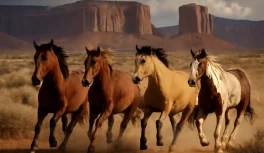
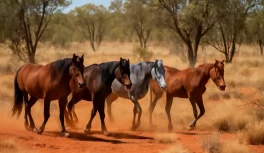
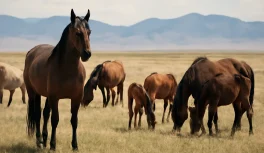
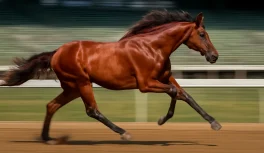
The intersection of fashion and horses goes considerably deeper than leather boots and tweed jackets — though those are part of the story too. Equestrian life shaped Western clothing in ways so fundamental that most people reference it daily without knowing it. And some of the most globally recognized luxury brands exist precisely because they began serving horses, not people.
More than an aesthetic, the connection between fashion and horses represents a specific cultural code: the kind of sophistication earned through technical mastery rather than passive consumption. That tension — between function and beauty, between heritage and modernity — is exactly what makes equestrian references so durable in fashion.
Hermès: From the Stable to the Top of the Luxury Market
The most frequently cited story in the fashion-horses overlap begins in Paris in 1837. Thierry Hermès founded his company not as a fashion house but as a maker of harnesses and saddlery for European nobility. The level of craftsmanship he developed serving riders became the foundation of an empire that has lasted nearly two centuries.
The brand’s most iconic products carry that history visibly. The carré silk scarf — one of the most imitated products in the history of fashion — frequently features equestrian motifs: bridles, stirrups, reins, horses in motion. The Kelly bag was originally designed as a saddlebag. The brand logo remains a carriage and horse. None of this is nostalgia or ornamental heritage — it’s a company actively reminding the world of where its standards came from.
How Did a Saddlery Company Become the World’s Most Valuable Luxury Brand?
By treating quality as non-negotiable from the beginning, and by never abandoning the technical precision that horse equipment demands. A saddle stitched incorrectly fails under pressure. A bridle with weak hardware becomes dangerous. The workmanship standards Hermès established for equestrian equipment translated directly into consumer goods that people recognized as genuinely exceptional — not just expensive.
The equestrian dimension of Hermès is also contemporary and functional, not just historical. The brand still produces saddlery used by professional riders. It sponsors high-level equestrian events. Its equestrian division develops products with the same technical rigor as its predecessors.
Ralph Lauren: Horses as the Visual Language of American Identity
Ralph Lauren didn’t begin with horses, but he chose them as the central visual language of a brand that reimagined what American meant in global fashion.
The polo player on the logo, the riding boots, the hunt jackets, the tweed — Lauren understood that equestrian references in the American context carry values that transcend the social origins that produced them: freedom, independence, competent mastery of one’s circumstances. He translated that code into ready-to-wear with anthropological precision.
Lauren rides himself and keeps horses on his properties. The equestrian references in his work aren’t borrowed from a world he studied from the outside — they come from inside a life he actually lives. That authenticity is what distinguishes his use of equestrian codes from the many brands that have imitated the surface without understanding the depth.
Gisele Bündchen: Riding as Well-Being, Not Branding
Gisele Bündchen is, by almost any measure, one of the most successful fashion figures of her generation. And outside the runways and campaigns, she rides regularly — a practice she connects consistently to her physical and mental health rather than to any image she’s constructing.
Bündchen rides at properties in Brazil and elsewhere and speaks about the relationship with horses in grounded, practical terms: the physical demand, the focus required, the quality of presence it creates. In an industry that frequently treats well-being as aesthetics, her approach is concrete. The horses are part of a real routine, not a curated lifestyle content piece.
Her presence in the equestrian world matters for this intersection because she represents the generation of fashion figures who don’t just reference equestrian aesthetics — they practice the thing itself.
Why Equestrian Style Has Never Gone Out of Fashion
When a trend collapses, it’s usually because the cultural meaning behind it has been exhausted. The equestrian aesthetic doesn’t exhaust because its roots are functional, not merely decorative.
Riding breeches were engineered to allow precise leg movement and absorb impact over hours. Tall boots protect ankle and shin from brush, fence, and stirrup. The structured jacket traces back to hunt coats designed to move freely on horseback while keeping the rider warm. Every piece has a technical origin — and that origin gives each piece a kind of gravity that purely ornamental accessories can never achieve.
When an equestrian piece enters fashion, it carries that history of purpose. Something in the construction signals: this was designed to work. Audiences feel it even when they can’t articulate it.
The equestrian world also carries an association with expertise that fashion has always valued. You cannot fake horsemanship — the horse doesn’t cooperate with the performance. For brands that build identity around genuine competence, the equestrian reference is one of the most reliable signals available.
Gucci, Prada, Chloé, Valentino — all continue to revisit and reinterpret equestrian vocabularies consistently. The difference between them is how deeply they understand what they’re referencing. The best equestrian fashion knows exactly why those boots were built that high and that stiff. The rest is costume.