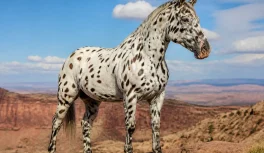
Two breeds. Two American origins. One shared miracle underfoot: a gait so smooth the rider seems to float above the saddle. When it comes to Mangalarga Marchador vs Paso Fino, the question isn’t which breed is better — it’s which one fits your riding style, your goals, and the kind of partnership you want.
Both breeds carry centuries of Iberian blood and an extraordinary inheritance: a four-beat lateral gait that makes the trot feel like a punishment by comparison. Both have dedicated communities of riders in the United States. And both offer something most horses simply can’t — the ability to cover miles in genuine comfort.
Here’s how they compare, from the perspective of a rider looking to buy in the American market.
What Makes a Gaited Horse Different?
Before comparing the breeds, it helps to understand what unites them: a smooth, four-beat lateral gait that eliminates the vertical bounce of the trot.
Conventional horses — Quarter Horses, Thoroughbreds, warmbloods — move at the trot in a two-beat diagonal pattern, where paired legs move together. The result is impact transmitted directly to the rider’s spine. Over long distances, it’s tiring for both horse and rider.
In gaited breeds, all four feet land in independent sequence, distributing impact and creating a gliding sensation. Riders don’t post, don’t bounce, don’t brace — they sit and travel.
This is why gaited horses built working cultures across the Americas, from the Appalachians to the Andes. Trail riders, long-distance riders, older riders, and anyone dealing with back problems have been rediscovering gaited breeds in the US over the past two decades. The Paso Fino and Mangalarga Marchador are two of the most compelling options available today.
Paso Fino: The Gaited Horse America Already Knows
The Paso Fino has been part of American equestrian culture for decades. The breed arrived in the continental US primarily from Puerto Rico and Colombia in the mid-twentieth century, and the Paso Fino Horse Association (PFHA) has maintained an organized show circuit in the United States since 1972.
The name means “fine step” in Spanish — and the gait justifies every letter of it. The paso fino gait produces four rapid, brief beats where the hooves seem to barely skim the ground before returning to the air. At its finest, there is no lateral sway, no vertical impact. Riders describe it as “sitting in a moving armchair.”
Gait variations:
- Paso fino: The collected show gait — maximum cadence, minimal stride length. The gait that wins in the ring and stops spectators cold.
- Paso corto: Extended stride with full smoothness maintained. The trail gait — covers ground efficiently without sacrificing comfort.
- Paso largo: Fast extension, maintaining the lateral four-beat. Can reach speeds comparable to a canter while staying genuinely smooth.
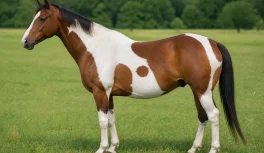
Conformation: Compact and refined — typically 14 to 15.1 hands, with a well-set neck, elegant musculature, and an alert, spirited expression. Available in virtually every coat color.
Who it’s for: Riders who want a show horse with an extraordinary gait display, trail riders who prioritize the smoothest possible ride, and anyone drawn to a breed with a well-established American show circuit and an accessible nationwide community.
Finding one in the US: The Paso Fino is genuinely available across the American market. Quality horses from reputable breeders appear regularly at PFHA-affiliated shows, on breed-specific classifieds, and in states with strong Latin American equestrian communities — Florida, Texas, California, New York, and the Southeast. Prices range from roughly $3,000 for solid entry-level trail horses to $25,000 or more for show-quality animals with proven gait. The market is liquid enough to be selective.
Mangalarga Marchador: The Breed American Riders Are Discovering
The Mangalarga Marchador is one of the most populous horse breeds in the world — with over 600,000 registered animals, it has the numbers to match its reputation. In the United States, it’s still a discovery in progress: a small but devoted community of importers and breeders has been building a market for the past two decades, and American riders who find the breed rarely look back.
The breed was developed in the nineteenth century in Brazil, by crossing Alter Real Portuguese stallions with local mares. The result was an athletic, versatile horse built for long work over varied terrain — with two recognized gait variations:
- Marcha batida: Four regular beats in a diagonal-lateral pattern, with a mild lateral sway. Rhythmic and comfortable — the gait that covers ground over long distances.
- Marcha picada: A gait with triple-support phases — three feet on the ground simultaneously — producing an even smoother, more linear sensation that riders often describe as “riding on rails.”
The breed’s defining quality — beyond the gait — is endurance. Mangalargas compete in multi-day trail events covering hundreds of kilometers through mountain terrain, and that stamina translates directly to American trail riding: this is a horse built to perform over long hours and diverse terrain without breaking down.
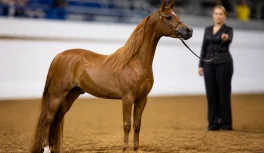
Conformation: Medium build, 14.3 to 15.2 hands, with an expressive head, arched neck, and muscular hindquarters. Wide color range — bay, chestnut, roan, gray, pinto.
Who it’s for: Trail riders who want a horse purpose-built for distance, riders looking for a genuine alternative to the Tennessee Walking Horse or Rocky Mountain Horse, and buyers willing to do more legwork in the search for something exceptional.
Finding one in the US: Availability is the honest challenge. The Mangalarga Marchador is present in the American market, but not abundant. Dedicated importers and breeders operate primarily in Florida, Texas, and the Southeast, and the breed’s US association has worked to grow visibility. Imported horses from top Brazilian bloodlines typically run $8,000 to $35,000 or more. Domestic foals from US-based breeders can be found at lower entry points. The search takes longer — but buyers consistently say the result is worth it.
Head-to-Head: What Matters to the American Buyer
Which is smoother in the saddle?
The Paso Fino, at its finest collected gait, delivers the smoothest ride of any gaited breed most American riders will ever sit. The speed and brevity of the steps create a sensation that non-gaited riders find almost disorienting on first contact — there is nothing quite like it in the horse world.
The Mangalarga Marchador in marcha picada runs a very close second, with the crucial advantage of maintaining that smoothness over hours of varied terrain. The Paso Fino’s finest show gait is spectacular but can be harder to sustain across miles of technical trail.
Bottom line: Paso Fino for the ring and shorter rides where gait perfection matters most. Mangalarga Marchador for consistent, all-day comfort on long trail rides and varied terrain.
Which is easier to find and buy in the US?
The Paso Fino wins clearly. PFHA-affiliated breeders are distributed across the country, shows run year-round in multiple regions, and the market is healthy enough to give buyers real options. Finding a quality trail horse under $10,000 is realistic with some patience.
The Mangalarga Marchador requires more research and a longer search horizon. Fewer breeders, less supply, and most top animals are imports. The community is passionate and willing to help buyers find the right horse — but the infrastructure isn’t yet comparable to the Paso Fino’s depth.
Bottom line: Paso Fino if you want to find, test-ride, and buy within a few months. Mangalarga Marchador if you’re prepared to invest more time in the search.
Which has the better temperament?
Both breeds are known for willingness and docility — with important distinctions.
The Mangalarga Marchador is consistently described as “cooperative and reliable” across a wide range of rider experience levels. The breed’s long history as a working horse has produced animals that are steady, sensible, and practical. It’s a genuine beginner-accessible breed when properly started.
The Paso Fino has more temperament variability by bloodline and origin. Colombian-bred horses tend to be spirited — an asset in the show ring, a consideration for less experienced riders. Puerto Rican and American-bred horses tend toward a gentler, more accessible disposition. When evaluating, ask specifically about bloodlines and the horse’s history.
Bottom line: Mangalarga Marchador for more predictable temperament across the board. Paso Fino requires careful individual evaluation of the horse and its lineage.
Which is better for competition in the US?
The Paso Fino has the stronger American competition infrastructure, full stop. PFHA shows run in nearly every region, with classes organized by gait type, horse type, and rider experience level — from open shows to national championships. The association is well-established, and getting started is accessible even for newcomers.
The Mangalarga Marchador competition scene in the US is building momentum. Breed enthusiasts have organized events in states with larger populations of the breed, and international showcases have introduced the marcha to American audiences with consistent success. The circuit is growing — but it isn’t yet at the scale or geographic reach of the Paso Fino.
Bottom line: Paso Fino if showing is a top priority and you want an active schedule. Mangalarga Marchador if trail performance is the goal and you’re willing to travel for breed events.
How to Choose: Four Questions for the American Rider
1. What’s your primary use? Trail riding, long distances, ranch work → Mangalarga Marchador’s endurance and terrain adaptability are the edge. Shows, gait display, versatile ring work → Paso Fino’s established US circuit is the stronger platform.
2. How important is local availability? Want to test-ride multiple horses within driving distance → Paso Fino. Willing to import or wait for the right match → Mangalarga Marchador opens a remarkable door.
3. What’s your experience level? New to gaited horses → both are approachable, but the Mangalarga has an edge in temperament consistency across the board. Experienced gaited rider looking to go deeper → both breeds offer elite-level animals worth serious pursuit.
4. What’s your budget? Under $8,000 for a quality trail horse → Paso Fino has the most options at this range in the US market. $10,000 to $30,000+ for a show-quality or import animal → both breeds deliver exceptional horses at this level.
Neither breed is “better.” Both are extraordinary horses that solve the same fundamental problem — comfort in the saddle — with different strengths. The right one is the one that fits the life you actually ride.