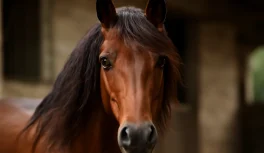
Getting into horses with a Quarter Horse is one of the most common choices for beginners — and, most of the time, one of the smartest. The breed has a well-earned reputation for being calm, intelligent, and forgiving, which sounds perfect for someone just starting out. But that reputation comes with a catch that most sellers won’t mention upfront.
There are Quarter Horses that will carry a nervous beginner through every trail ride without a complaint. And there are Quarter Horses that will challenge a seasoned professional. Knowing the difference before you write that check is what determines whether your first horse experience becomes transformative — or traumatic.
Is the Quarter Horse really good for beginners?
In general, yes. But with one important caveat: the Quarter Horse is a remarkably versatile breed, and within that versatility live some dramatically different horses.
The balanced temperament the Quarter Horse is known for is a breed-wide characteristic — but how that temperament expresses itself varies a great deal depending on:
- Bloodline: horses bred for racing or high-level cutting tend to be reactive, hotter, with more energy and less patience for an uncertain rider
- Use history: a horse that has spent years competing at high-level events will behave very differently on a quiet weekend trail ride
- Training quality: a poorly trained horse, regardless of breed, can be difficult for any level of rider
- Age: older horses with more experience tend to be more tolerant, more predictable, and more forgiving of beginner mistakes
For a beginner, the ideal Quarter Horse profile is: all-around or ranch bloodlines, 7 to 14 years old, varied use history (trail riding, ranch work, casual riding), and solid foundational training.
That combination is what makes a Quarter Horse the right first horse. The breed name alone doesn’t.
What to look for: four things that reveal a horse’s real character
Before any conversation about price or papers, pay attention to these:
How the horse handles ground manners
A horse that stands calmly for grooming, tacking, hoof care, and vet visits is telling you something important about its training and temperament. A horse that’s agitated by routine daily handling will be worse under saddle, not better. Watch the horse in its stall and in the crossties before you ever ask to ride.
Behavior under saddle
Always ride the horse before making any decision. Ask yourself:
- Does it stand quietly at the mounting block?
- Does it respond to light rein pressure without resistance?
- Does it maintain a steady pace without constant correction?
- Does it stay calm around unexpected sounds, tarps, bikes, other horses?
A beginner’s horse should be what riders call “honest” — what you see on a quiet Tuesday is what you get on a busy Saturday at a new trail.
Documented history
Ask for the horse’s history: where it was raised, what it’s been used for, any health or behavioral issues. A seller who can’t answer these questions in detail is a red flag, not a negotiation point. AQHA-registered horses have traceable bloodlines, which gives you a significant advantage in understanding the horse’s background.
Pre-purchase veterinary exam
Never skip this. A pre-purchase exam — sometimes called a PPE — typically costs $250 to $600 depending on how extensive the workup is, and it is the best money you can spend in this process. The vet checks soundness, joint health, eyes, heart, and teeth, and can flag issues that would cost thousands to treat or that would make the horse unsafe for a beginner. A seller who objects to a PPE is telling you something.
Which Quarter Horse bloodlines to avoid as a beginner
Some Quarter Horse bloodlines are consistently “hotter” — more reactive, more energetic, and more demanding of the rider’s skill. As a beginner, these are not your first horse:
Racing bloodlines with high Speed Index: horses bred for the quarter-mile sprint are trained to explode at a starting gate. That’s not what a beginner needs. If the horse’s papers are full of racing performance records, keep looking.
High-level cutting horses: cutting horses develop extremely fast, athletic responses to cattle movement — and to their rider. A horse trained for NCHA competition has responses that require the kind of precision a beginner hasn’t developed yet.
Young horses (under 5): a young, green horse needs an experienced rider to develop correctly. Pairing a green horse with a green rider is a recipe for bad habits on both sides — and for dangerous situations.
This doesn’t mean these horses are bad. They’re exceptional — in the right hands. They’re just not the right first horse.
Is an older Quarter Horse better for a beginner?
Generally, yes — with one caveat.
A well-trained Quarter Horse between 8 and 14 years old has clear advantages for a new rider:
- They’ve seen the world: they don’t spook at mailboxes, flags, or loose dogs on a trail
- Their training is muscle memory: basic cues are deeply established — they respond correctly without the rider having to be perfect
- They’re patient: they tolerate the unbalanced seat, the accidental spur, the mixed signals that come with learning
The concern with older horses is joint and soft-tissue health — which is exactly what the pre-purchase exam is for. A sound 12-year-old Quarter Horse can have 10 or 15 more years of light trail riding ahead of it. That’s a lot of good rides.
How much does a good beginner Quarter Horse cost?
The American Quarter Horse market is the largest breed market in the country, and prices vary widely. A realistic picture:
Under $3,000: unregistered horses or horses without clear history. The price is accessible, but so is the risk. Without documentation, you’re relying heavily on the seller’s word and your own assessment — which, as a beginner, is limited.
$3,000–$8,000: registered Quarter Horses with light use history, often trail-ridden or ranch-worked. This range can offer good value, but thorough vetting is essential. Some excellent beginner horses live here.
$8,000–$20,000: registered horses with solid training, verified temperament, and documented history. This is the range where the most beginner-appropriate Quarter Horses tend to live. The premium covers peace of mind — and peace of mind has real value when you’re learning.
$20,000 and up: performance prospects, high pedigree horses, or horses with competitive records. Not the right starting point for most beginners.
One thing worth knowing: a horse that costs $15,000 and keeps you safe and confident is a far better investment than a horse that costs $4,000 and sets back your riding by two years. The first horse shapes the experience.
Where to find a good beginner Quarter Horse
A few reliable starting points:
- AQHA Horse Placement program: the American Quarter Horse Association maintains a horse placement network that connects horses needing new homes with qualified buyers. Quality varies, but many excellent horses come through this channel.
- Reputable riding instructors: a good instructor in your area knows the local horse market and can often steer you toward trustworthy sellers. Their reputation is on the line too.
- AQHA-affiliated trail riding clubs: horses that are regularly trail-ridden with groups tend to be exactly the kind of calm, experienced horses beginners need.
- Equine rescues: with patience and careful evaluation, rescues occasionally have well-trained horses that need new homes. Always do the pre-purchase exam.
Avoid: Facebook Marketplace horses listed as “bombproof,” horses sold at auction without history, and any seller who pressures you to decide without giving you time to think or vet the horse.
The first horse defines the experience
The choice of a first horse is one of the most consequential decisions a beginner rider will make.
The wrong horse — too reactive, too young, too poorly trained — creates insecurity, accidents, and often drives people out of the sport before it ever really begins. The right horse — experienced, honest, and well-matched to the rider’s level — can be the start of a partnership that lasts a decade.
A Quarter Horse with the right profile does something no lesson horse can do: it teaches you what a reliable horse actually feels like. Once you know that feeling, you’ll never forget it — and you’ll know immediately when something is off.
If you’re unsure where to start, the best advice is simple: before you buy, talk to a qualified instructor or an equine vet with experience in Quarter Horses. That conversation costs nothing and can save you from a very expensive lesson.