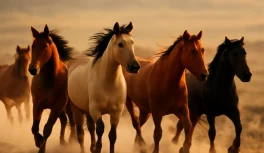
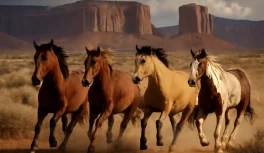
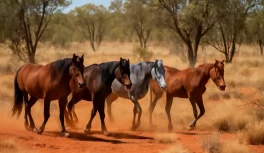
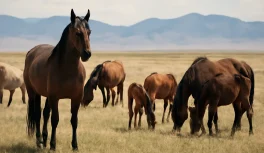
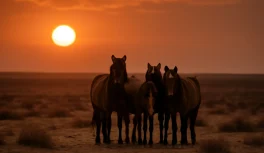
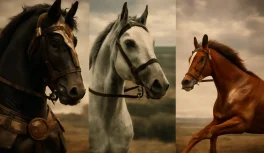
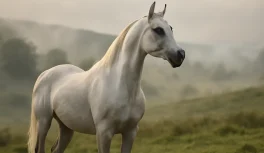
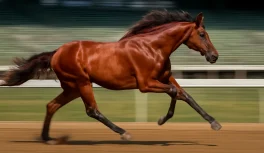
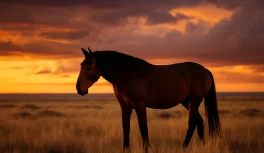
Few things draw as much attention to a horse as its coat. Even before you notice the animal’s build, movement, or temperament, your eye is usually drawn to the color of its body, the contrast of its mane, the sheen of its hair, or the pattern of its markings. And that is exactly where one of the biggest sources of confusion for horse lovers begins: after all, how do you tell apart so many coats that sometimes look so similar?
The answer lies in learning to observe carefully. In many cases, the difference between one coat and another is not found only in the body color, but also in the color of the mane, tail, and legs, in the presence of intermingled white hairs, in large patches, in small speckles, and even in the way the animal’s appearance changes with age.
What Defines a Horse’s Coat Color or Pattern?
A horse’s coat is the set of visual characteristics formed by the color of the body hair, mane, and tail and, in many cases, also by the distribution of markings and the presence of mixed hairs. In other words, a coat is not just “the horse’s base color,” but the overall appearance it presents.
To understand this more clearly, it helps to keep one important distinction in mind:
- Breed is one thing.
- Coat color is another.
- Coat pattern is another.
A horse can, for example, belong to a certain breed, have a specific coat color, and, within that coat, display a particular marking pattern. Once that distinction becomes clear, the subject starts to feel much less confusing.
Classification
The coat is divided into four categories:
- Solid coats
- Solid coats with black mane, tail, and lower legs
- Mixed coats
- Patterned coats
1. Solid horse coat colors
Solid, uniform coats are those in which the horse shows one predominant, continuous color, without large markings and without any evident mixing of hairs of different colors across the body. In general, the overall look is cleaner and easier to recognize, although important nuances and variations still exist.
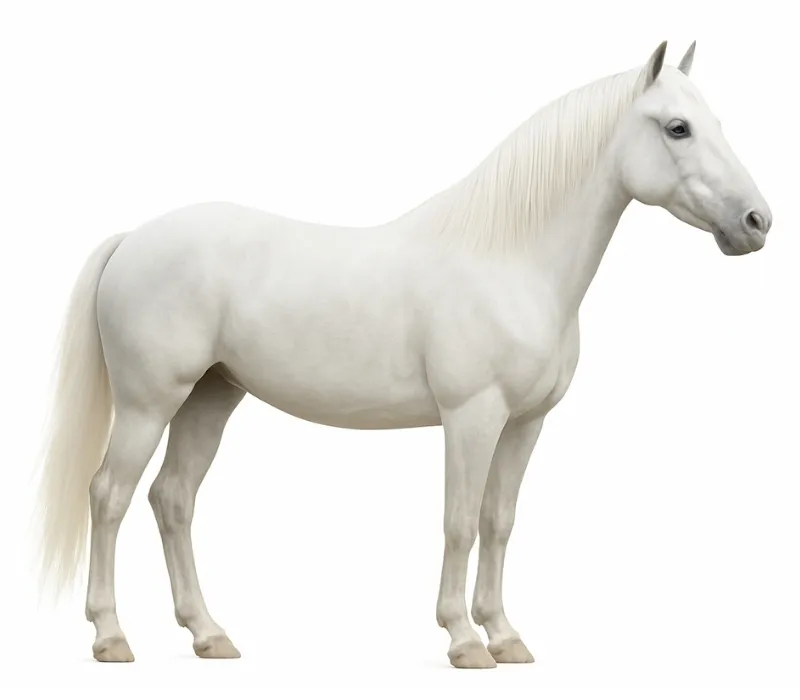
1.1 White Horse Coat Color
The white coat always draws attention, but it also tends to raise questions. Many people call any very light-colored horse white, when in fact there are important differences between a truly white horse and one that only appears white from a distance.
In practice, a white horse has very light hair all over its body, and this appearance may be accompanied by different degrees of skin pigmentation. That detail is what makes careful observation so important.
Some horses have a purer, more uniform white appearance. Others may show a duller tone, a pinkish cast, or even a slightly yellowish tint, which gives rise to different designations within this coat category.
How to Identify It
The ideal approach is to observe:
- the uniformity of the hair
- the pigmentation of the skin
- the muzzle area
- the area around the eyes
Common Misunderstanding
Many people confuse white with a very light gray. The difference is that a gray horse usually lightens with age, while a white horse tends to show this characteristic in a more stable way from the start.
Practical Example
If the horse was born dark and gradually became lighter over time, it is more likely to be gray. If it has always shown a very light and uniform appearance, it is more likely to be white.
Variations of the White Horse Coat Color
The white coat can show differences in appearance depending on skin pigmentation and the sheen of the hair. Among the most commonly mentioned variations are pink-toned white, in which the skin appears lighter and pinkish; porcelain white, with a more uniform and delicate appearance; matte white, with less shine; honey-tinted white, with a slight yellowish nuance; and off-white, when the white appears less pure to the eye. These variations do not change the essence of the coat, but they help explain why two white horses may look different from one another.
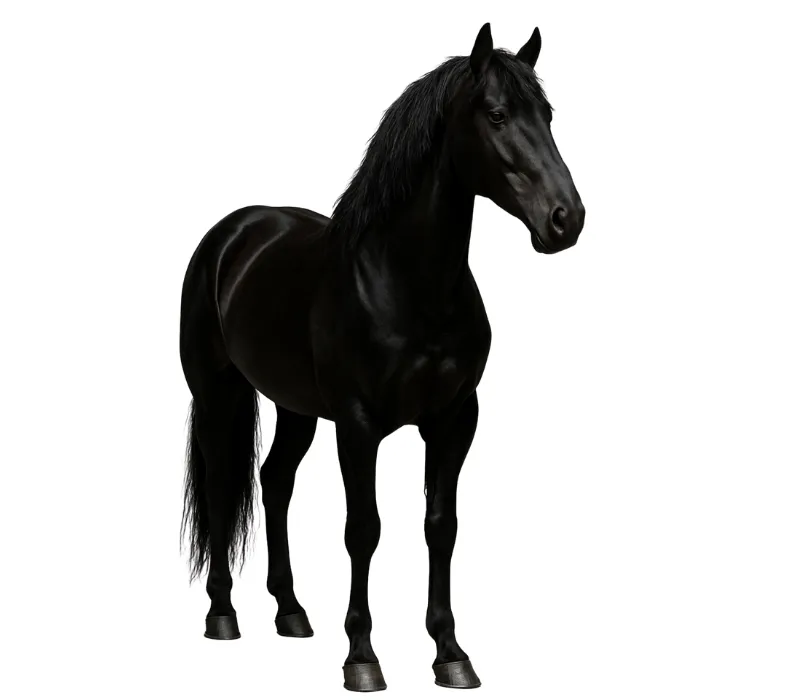
1.2 Black Horse Coat Color
At first glance, the black coat may seem simple, but it can display interesting nuances. Some horses are an intense, deep, glossy black, while in others the light may reveal reddish or bluish highlights.
This is one of the reasons why a quick glance is not always enough. A horse may appear completely black in the shade or indoors and, in sunlight, reveal details that change the way the coat appears.
How to Identify It
In a black coat, the horse has:
- a black body
- a black mane
- a black tail
Common Misunderstanding
The most common confusion usually happens with a very dark bay coat, especially mahogany bay. From a distance, the two can look almost identical.
How to Tell the Difference
If the body is truly black and only reflects light differently, then it is a black coat. If there is a warmer base, leaning toward dark brown or reddish tones, the horse is more likely to be bay.
Practical Example
Imagine a horse that looks black in the shade, but in the sun takes on a warm, almost rust-colored sheen. That kind of case requires careful observation, because there may be some doubt between a sun-faded black coat and a mahogany bay.
Variations of the Black Horse Coat Color
The black coat can appear in different degrees of intensity. The best-known variation is jet black, marked by a very deep, rich, glossy black. There is also sun-faded black, in which the horse shows reddish, sun-faded highlights in certain areas of the body, especially in bright light. In some horses, the black appears darker and more uniform; in others, the light reveals nuances that make the coat look warmer. These differences matter because they explain why some black horses appear almost bluish, while others lean subtly toward rusty tones.
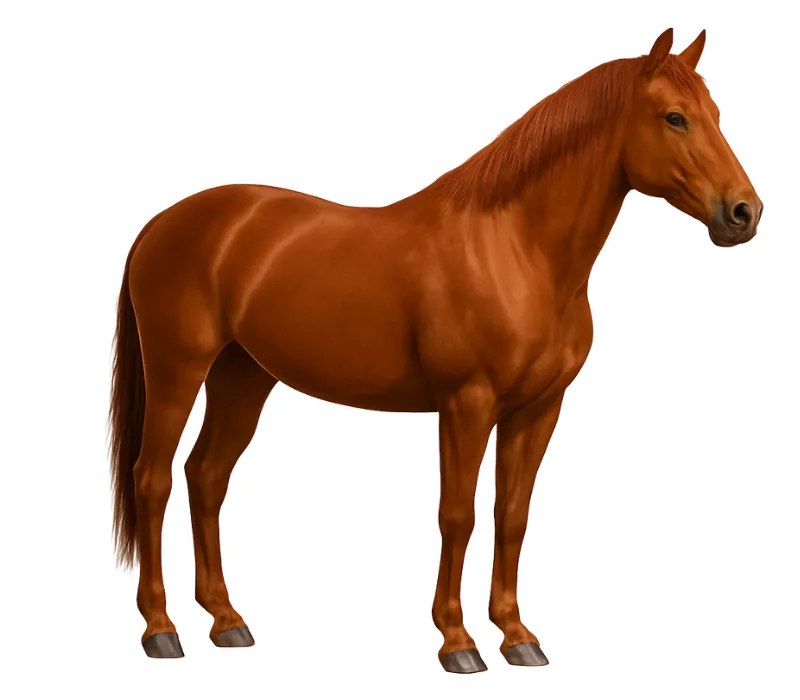
1.3 Chestnut Horse Coat Color
The chestnut coat is one of the easiest to recognize once the observer learns to notice one essential detail: the mane and tail are not black. That detail is key to distinguishing chestnut from bay.
The chestnut coat can vary quite a bit. In some horses, the tone is redder; in others, it is more coppery, golden, or darkened. It is a vivid, warm, and visually striking coat.
How to Identify It
A chestnut horse usually shows:
- a body in reddish, coppery, or golden tones
- a mane and tail in a shade similar to the body, or lighter
- no black points
Common Misunderstanding
Chestnut is most often confused with bay.
How to Tell the Difference
The simplest rule is this:
Chestnut: a reddish body, with no black mane or black legs.
Bay: a reddish-brown or brown body, but with a black mane, black tail, and dark lower legs.
Practical Example
If the horse is cinnamon- or copper-colored and the mane follows that same tone, it is closer to chestnut. If the mane is black, the horse is much more likely to be bay than chestnut.
Variations of the Chestnut Horse Coat Color
Chestnut is a coat with a very rich range of shades. Its best-known variations include light chestnut, with a softer and brighter tone; dark chestnut, which appears deeper and darker; cherry chestnut, with a brighter red hue; golden chestnut, with a more golden appearance; and belly-spotted chestnut, when white appears on the underside. Some descriptions also mention speckled belly-spotted chestnut, when the white on the belly is accompanied by small speckled details. These variations help explain why chestnut can range from an almost golden tone to a very striking deep red.
2. Solid, uniform coats with black mane, tail, and lower legs
This group includes coats in which the body shows one main, uniform color, while the mane, tail, and lower legs appear black or very dark. That contrast is precisely what defines the category.
Key idea: the body is “one color,” but:
- the mane and tail are black
- the lower legs are black
2.1 Bay Horse Coat Color
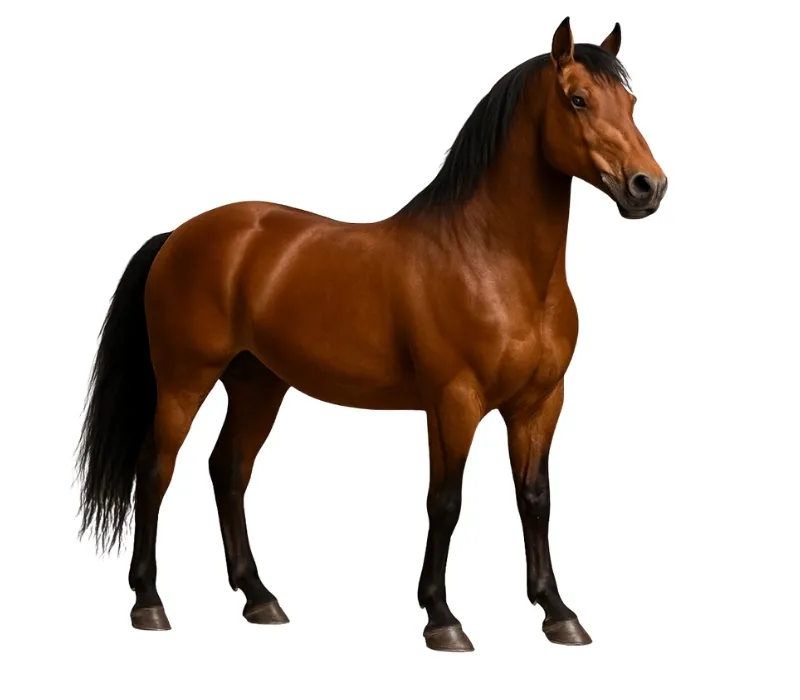
The bay coat is one of the most classic and elegant of all. The body may range from deep red to brown, while the mane, tail, and legs appear black or very dark.
This combination creates a striking look that is fairly easy to recognize when compared with chestnut.
How to Identify It
A bay horse shows:
- a bay, reddish-brown, or brown body
- a black mane
- a black tail
- dark legs
Common Misunderstanding
Chestnut is still the coat most commonly confused with bay.
How to Tell the Difference
The key question is: Are the points black? If the answer is yes, the horse is likely bay.
Practical Example
A horse in a chocolate, dark brown, or reddish-brown shade, with a black mane and black tail, is likely bay.
Variations of the Bay Horse Coat Color
The bay coat also appears in different degrees of intensity. Light bay has a lighter, more reddish tone. Dark bay is deeper and richer. Zaina is usually rendered as dark bay or, in some cases, seal brown, typically with a dark, even appearance and very little white marking. Mahogany bay is one of the deepest and richest variations, so dark that it is often confused with black. These variations show that bay is not limited to a single shade of brown, but rather a family of tones ranging from vivid reddish-brown to nearly black.
2.2 Buckskin Horse Coat Color
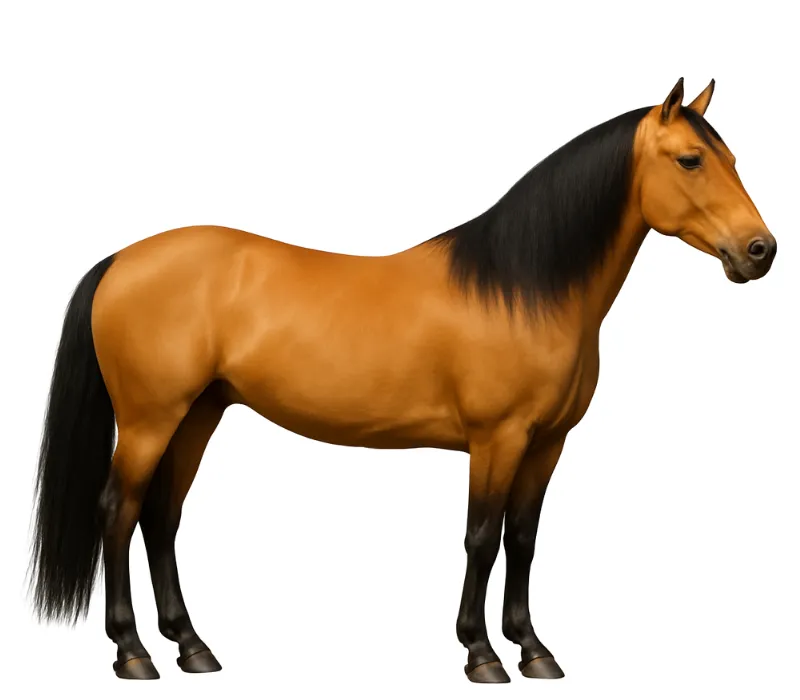
The buckskin coat is widely admired for its luminous appearance. The body usually appears in shades of yellow, gold, cream, or yellowish brown, while the mane, tail, and lower legs are black.
It is precisely this combination of a lighter body with dark points that gives buckskin its distinctive identity.
How to Identify It
A buckskin horse shows:
- a yellowish, golden, or bronzed body
- a black mane
- a black tail
- dark legs
Common Misunderstanding
It can be confused with light chestnut, dun, and darker dun-based shades.
How to Tell the Difference
If the body looks golden or yellowish and the points are black, buckskin should be your first thought. Then look more closely for a dark dorsal stripe or a more muted, primitive-looking appearance, which may suggest dun-related coloring instead.
Practical Example
If the horse looks “golden” and seems to be wearing “black boots,” it is much closer to buckskin than to chestnut.
Variations of the Buckskin Horse Coat Color
The buckskin coat includes several interpretations within the same golden or yellowish base with black points. Among the best known are light buckskin, with a softer tone; golden buckskin, with a brighter appearance; glossy buckskin, with a richer, more polished look; black-point buckskin, when the contrast between the body and the dark extremities is especially strong; shaded buckskin, with a more earthy and muted appearance; smoky buckskin, with a grayer or more subdued tone; roan buckskin, when mixed hairs influence the overall look; and pale buckskin, with a lighter, drier shade. These variations make buckskin one of the most admired coats and also one of the easiest to confuse with others.
3. Mixed Coats
Mixed coats are those in which the horse shows a visible blend of hairs of different colors. The overall effect is not that of a solid color, but rather of mixing, layering, or visual transformation.
This is where some of the most visually complex coats are found, because many of them change depending on the light, the horse’s age, or the distribution of white hairs.
3.1 Gray Horse Coat Color
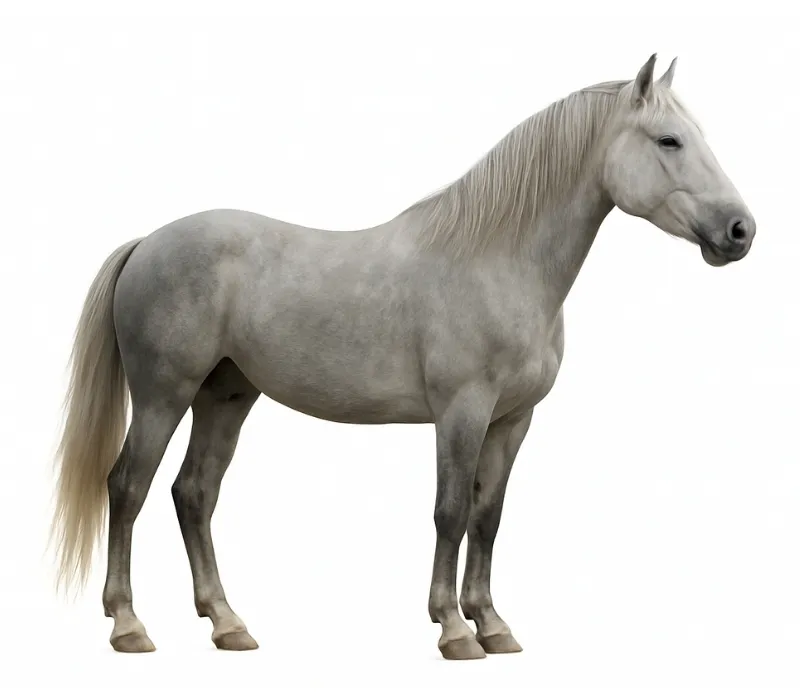
The gray coat is especially distinctive because it often changes over the course of the horse’s life. Many gray horses are born dark and gradually lighten with time, which can dramatically transform the animal’s appearance.
That is why gray so often misleads the hurried eye: the same horse may appear bay at one stage, then gray, and later almost white.
How to Identify It
A gray horse usually shows:
- a growing mixture of white hairs
- progressive lightening with age
- an appearance that changes over time
Common Misunderstanding
The most common confusion is with the white coat.
How to Tell the Difference
The most useful question is: Was this horse darker when it was young?
If the answer is yes, there is a strong chance it is gray.
Practical Example
A foal is born dark, goes through a stage with white hairs scattered through the coat, and years later appears almost white. That is a typical progression for a gray horse.
Variations of the Gray Horse Coat Color
The gray coat changes significantly over time, which makes its variations especially important. Dark gray appears in the earlier, darker phase. Dark dappled gray retains a darker base with white mixed through it. Light gray already shows strong lightening. Flea-bitten gray has a more delicate, speckled appearance. Rose gray tends to show a more distinct blend of tones. Dapple gray displays a mottled or ringed pattern across the coat. These variations help explain why a gray horse may appear almost black in youth and nearly white in maturity.
3.2 Roan Horse Coat Color
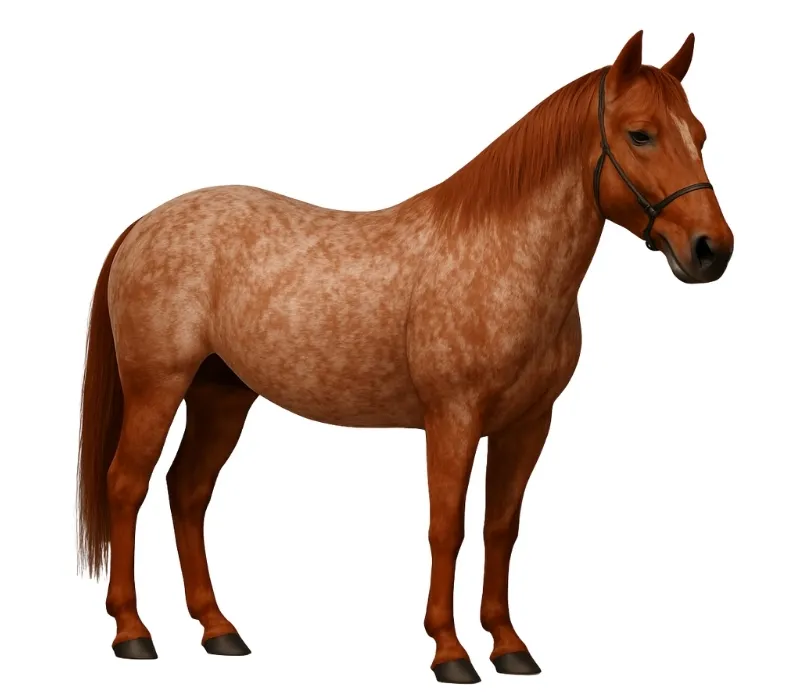
The roan coat is a mixed coat in which white hairs are intermingled over a base color. The overall effect is that of a horse that looks “sprinkled” or “grainy,” without forming large white patches. This coat may appear over different bases, such as bay, buckskin, black, or chestnut.
How to Identify It
A roan horse usually shows:
- white hairs distributed over a main base color
- a mixed or intermingled appearance
- a head that is often darker than the body
Common Misunderstanding
Roan can be confused with gray or with spotted coats.
How to Tell the Difference
In roan, the white hairs are mixed throughout the coat rather than appearing in large areas. In addition, roan does not follow the same progressive lightening pattern that is typical of gray.
Practical Example
If the horse looks like a bay or buckskin covered with a light “sprinkling” of white hairs, the coat is likely roan.
Variations of the Roan Horse Coat Color
Roan can develop over different base colors, and that is exactly what creates its main variations. These include bay roan, buckskin roan, black roan, and chestnut roan. Other descriptions may also appear, such as light roan, red roan, dark roan, blue roan, dun roan, and even overo roan, depending on the influence of the base color or the overall pattern. These variations show that roan is not an isolated color, but rather a mixed effect layered over other coat types.
3.3 Blue Roan / Dark Roan Horse Coat Color
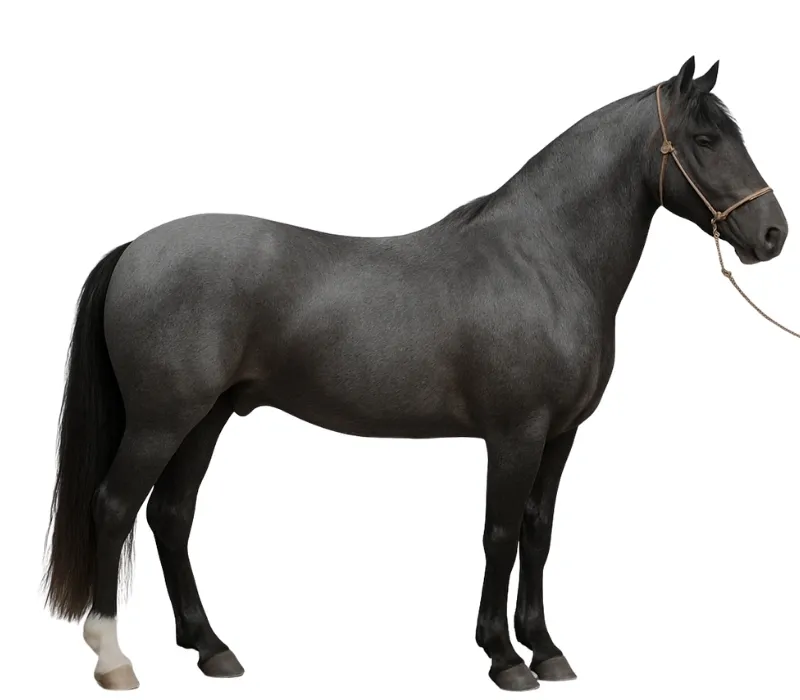
The blue roan or dark roan coat usually shows a dark base with white hairs mixed throughout the body, while the head, mane, tail, and lower legs remain darker.
How to Identify It
This coat usually shows:
- a dark base
- white hairs mixed through the coat
- darker points
Common Misunderstanding
It can be confused with gray in its early stages and with other dark mixed coats.
How to Tell the Difference
This coat tends to maintain a darker, more concentrated overall appearance and does not show the same progressive lightening that is typical of gray.
Variations of the Blue Roan / Dark Roan Horse Coat Color
This coat is often described in lighter and darker forms. In the light version, the white hairs appear more noticeably and soften the dark base. In the dark version, the horse maintains a deeper, darker overall appearance, with a more intense base color. These differences help identify this coat without confusing it with gray or roan.
3.4 Grullo Horse Coat Color
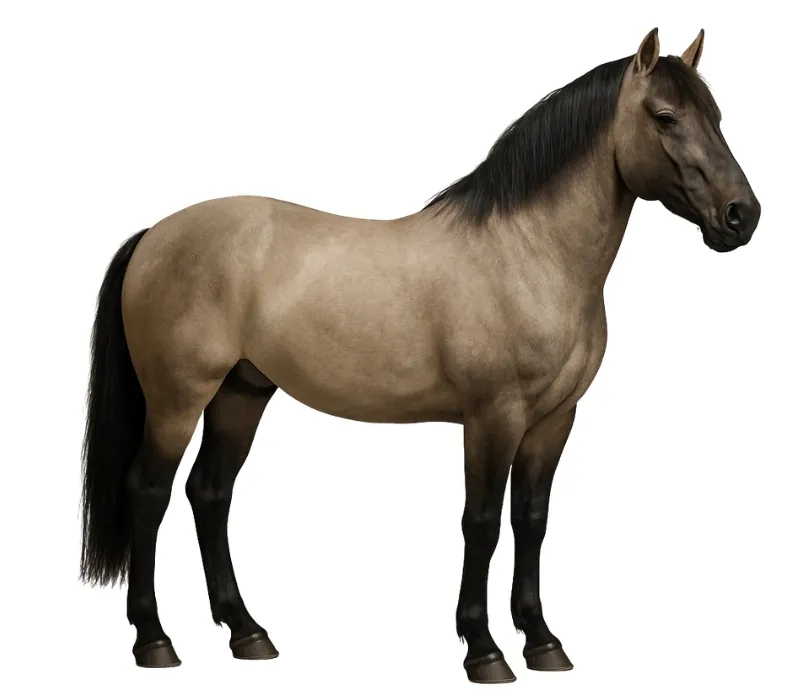
The grullo coat combines smoky, earthy tones with black, often with a smoky appearance. It does not have the clean, defined look of a classic buckskin, because the body appears more blended and more shaded.
How to Identify It
A grullo horse may show:
- a yellowish or earthy base
- a darker blended appearance
- a head that is usually darker in tone
Common Misunderstanding
It is often confused with dark buckskin, dun, and dark bay dun.
How to Tell the Difference
The grullo coat tends to show more tonal blending than a simple contrast between body and points.
Variations of the Grullo Horse Coat Color
The grullo coat is usually described in two main forms: light grullo and dark grullo. Light grullo shows a stronger presence of yellowish or smoky tones. Dark grullo tends to emphasize the black shading, giving the coat a deeper, darker appearance. These variations are useful because the grullo coat occupies a visual middle ground and is easily confused with other dark, earthy-toned coats.
3.5 Dark Bay Dun Horse Coat Color
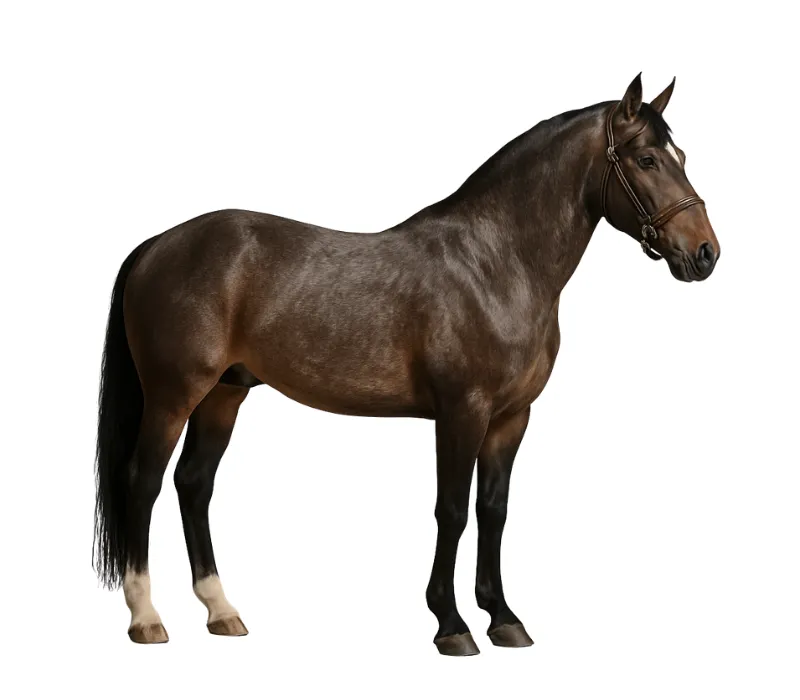
The dark bay dun coat is generally described as an earthy-toned coat that appears darker and heavier than an ordinary buckskin. In many cases, it resembles a shaded buckskin, with a more muted, darker, and less golden appearance.
How to Identify It
Look for:
- a body in a dark yellowish or earthy-brown tone
- an overall look that feels heavier than an ordinary buckskin
- possible darker markings
Common Misunderstanding
It is often confused with dark buckskin, dun, and grullo.
How to Tell the Difference
If the horse looks like a less golden, more earthy version of buckskin, with a darker and more subdued overall appearance, it may best be described as dark bay dun.
Practical Example
Think of a horse that looks too golden to be bay, but too dark to be a light buckskin. That kind of appearance may fit the description of dark bay dun.
Variations of the Dark Bay Dun Horse Coat Color
Dark bay dun does not usually come with a long list of formally recognized variations, as some other coat colors do. Even so, its appearance can vary noticeably. Some horses show a lighter look, closer to dark buckskin, while others display a deeper, earthier tone that leans toward darker dun shades. In general, the differences within this coat are expressed more through shifts in tone, depth, and overall appearance than through a rigid set of named variations.
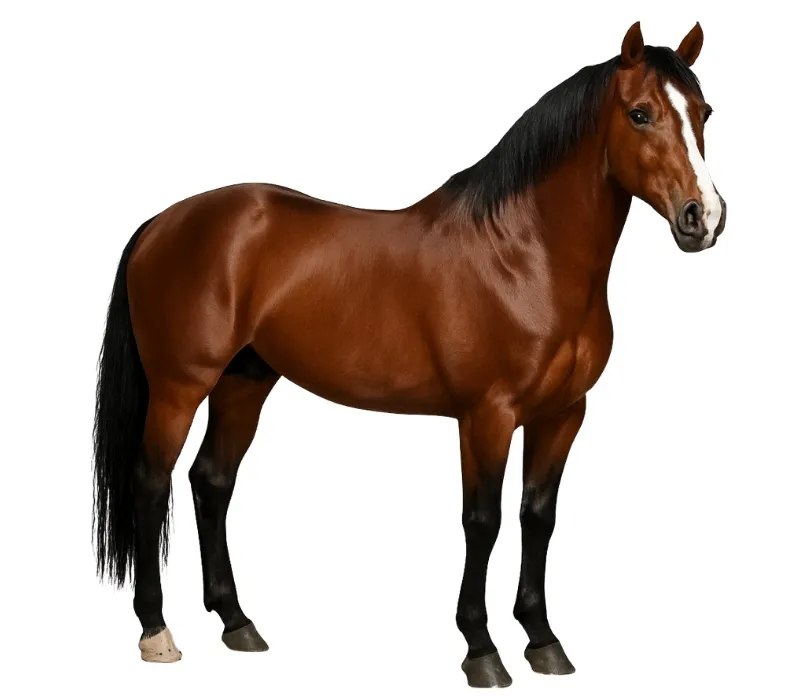
3.6 Rich Red Chestnut Horse Coat Color
Rich red chestnut does not usually come with a long list of formally recognized variations, as some other coat colors do. Even so, its appearance can vary noticeably. Some horses show a brighter, more vivid red tone, while others display a deeper, richer shade closer to dark chestnut. In general, the distinction lies less in rigidly named subtypes and more in the intensity, warmth, and depth of the red.
How to Identify It
A rich red chestnut horse shows:
- a body in a strong red tone
- a warm and vivid overall appearance
- a deeper, richer red appearance than an ordinary chestnut
Common Misunderstanding
Rich red chestnut is most often confused with chestnut.
How to Tell the Difference
Chestnut is a broad category that covers a wide range of red-based coats. Rich red chestnut stands out for its deeper, richer, and more vivid red tone.
Variations of the Rich Red Chestnut Horse Coat Color
Rich red chestnut can appear in different degrees of intensity. Some horses show a brighter, more saturated red, while others display a deeper, richer shade closer to dark chestnut. In some cases, it may seem to approach warmer golden tones, while in others it takes on a darker, more burnished appearance. What defines its variation is not a rigid set of named subtypes, but the intensity, warmth, and depth of the red.
3.7 Golden Chestnut Horse Coat Color
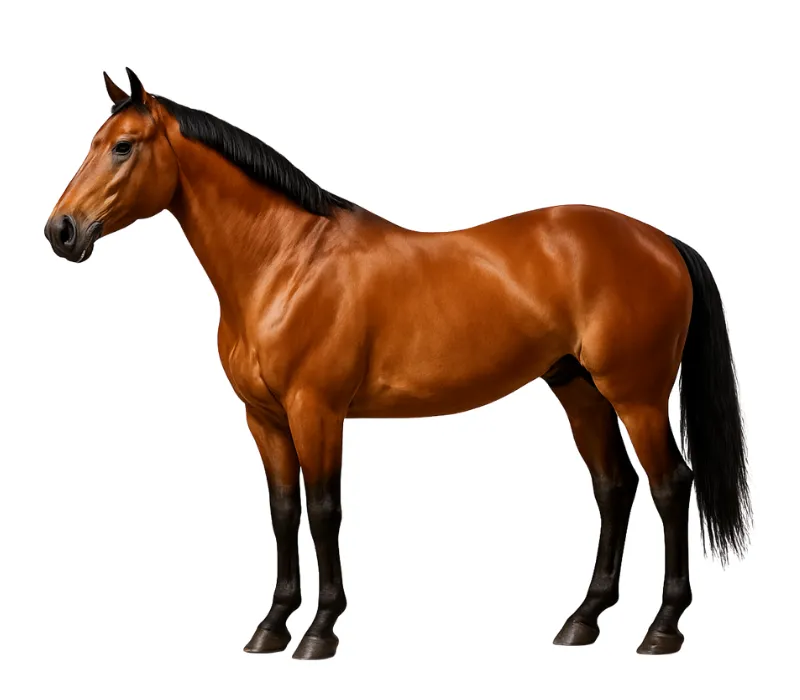
The golden chestnut coat can be understood as a softer, more golden shade within the chestnut family. It has a lighter, more luminous appearance, often showing paler areas and a more faded golden tone.
How to Identify It
This coat usually shows:
- a soft reddish base
- golden highlights
- a lighter, brighter overall appearance
Common Misunderstanding
It can be confused with light chestnut or with some warmer shades of buckskin.
How to Tell the Difference
With golden chestnut, the overall impression is more of a golden red than of a yellow coat with black points.
Variations of the Golden Chestnut Horse Coat Color
The golden chestnut coat can range from a softer, more muted tone to a brighter look with more noticeable golden highlights. In some horses, it appears almost like an illuminated light chestnut; in others, the muzzle, belly, and underside are lighter, which reinforces its more delicate appearance. It may also appear in a mealy form, when certain areas of the body are lighter. These variations help explain why the golden chestnut coat is often seen as a shade with warm, elegant radiance.
3.8 Dun Horse Coat Color
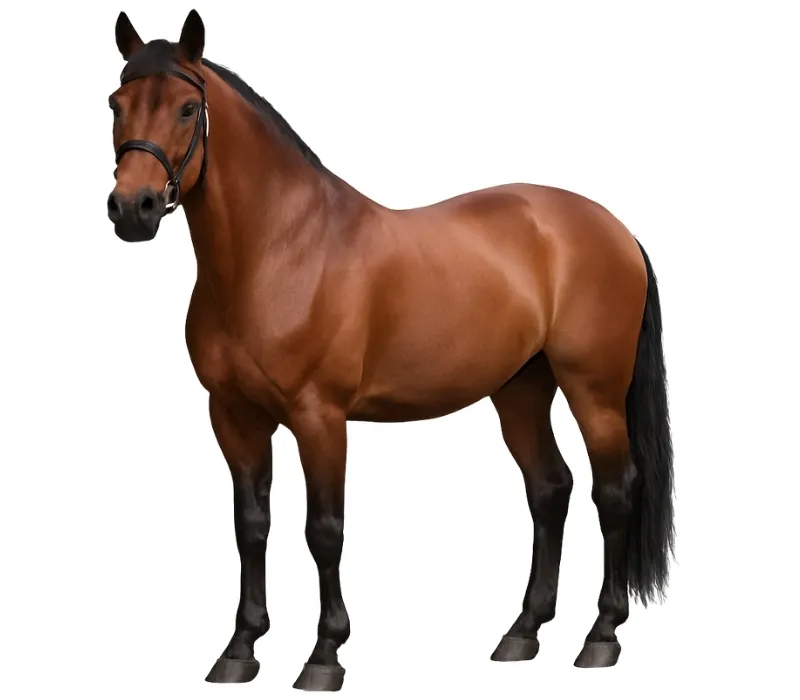
The dun coat is described as predominantly yellow, usually darker than buckskin, and marked by a dark dorsal stripe running from the withers to the tail — a highly characteristic feature.
How to Identify It
A dun coat usually shows:
- a yellowish or earthy-toned body
- a dark dorsal stripe
- a more rugged, muted overall appearance
Common Misunderstanding
It is often confused with buckskin.
How to Tell the Difference
The clearest way to explain it is this:
Buckskin: a golden or yellow body with black points.
Dun: a duller, more muted body with a dark stripe along the back.
Practical Example
If the horse looks like a buckskin but has a more rugged, primitive appearance and a clearly visible dark stripe down its back, dun is the more likely classification.
Variations of the Dun Horse Coat Color
The dun coat has several distinctive variations. These include the classic dun, the brown dun, with a darker and more muted tone, the mealy dun, with lighter areas around the muzzle, belly, and lower body, and the red dun, with a warmer overall tone. These variations show that dun can range from a more earthy, understated look to a warmer and more defined appearance, while always keeping its rugged character and dark dorsal stripe as key identifiers.
4. Patterned coats
Patterned coats are those in which white areas appear clearly and visibly combined with another color. This is the group that tends to confuse people the most, because some of these names are also associated with spotting patterns — and, in some cases, even with breed names.
4.1 Pinto Horse Coat Color
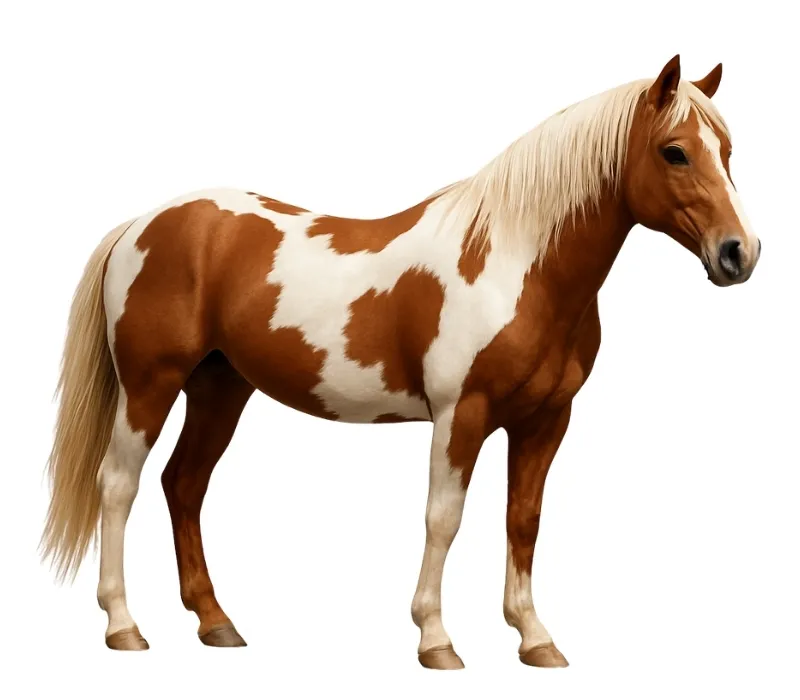
The pinto coat is one of the most recognizable coat patterns in horses. It is characterized by large white patches combined with another color, such as black, bay, chestnut, or buckskin.
How to Identify It
The pinto pattern usually shows:
- large white areas
- another clearly visible base color
- strong contrast across the body
Common Misunderstanding
Many people confuse pinto with Paint Horse.
How to Tell the Difference
The key distinction is:
- Pinto is a coat pattern.
- Paint Horse is a breed.
In other words, a horse may be a Paint Horse and have a pinto coat pattern, but not every pinto horse is a Paint Horse.
Practical Example
A horse with large white patches may belong to several different breeds. What defines pinto is the coat pattern, not the horse’s breed background.
Variations of the Pinto Horse Coat Color
The pinto pattern can vary according to the base color that appears alongside the white. That is why descriptions such as black pinto, bay pinto, chestnut pinto, and buckskin pinto are used. In some cases, when the base color is visually more dominant than the white, expressions such as pinto black or pinto buckskin may also appear, depending on stylistic preference. In addition, within the broader pinto category, patterns such as tobiano and overo may appear, helping describe how the white markings are distributed.
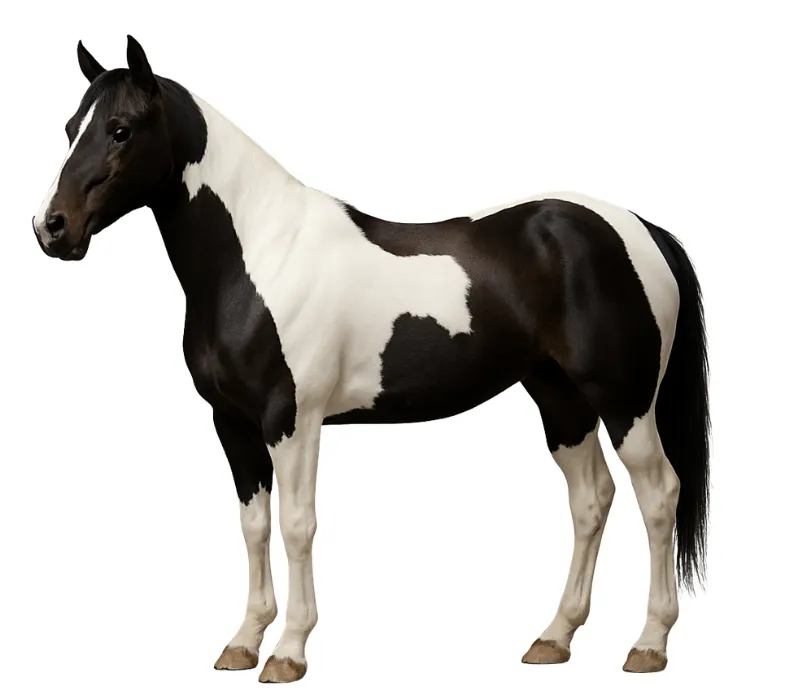
4.2 Tobiano Pattern
Tobiano is a spotting pattern within patched or pinto coats. Its markings are usually more organized, with large, clearly defined white patches that often cross the topline.
How to Identify It
A tobiano horse usually shows:
- large patches
- white crossing over the topline
- legs that are often white
- a darker head
Common Misunderstanding
It is often confused with overo.
How to Tell the Difference
Tobiano usually looks cleaner and more organized.
Practical Example
If the horse looks as though it has been painted in large blocks, with white passing “over the top” of the body, the pattern is closer to tobiano.
Variations of the Tobiano Pattern
Tobiano is a spotting pattern, and its variations are seen more in the shape and extent of the white distribution than in rigidly fixed names. Some horses show a more open tobiano, with large white areas dominating the body. Others display a tobiano pattern with less white, with more of the base color remaining visible. There may also be variation in the size of the patches, the amount of white on the legs, and whether or not white extends across the topline. Even so, tobiano retains its defining feature of large, organized white patches, even when the amount and shape of the white vary from one horse to another.
4.3 Overo Pattern
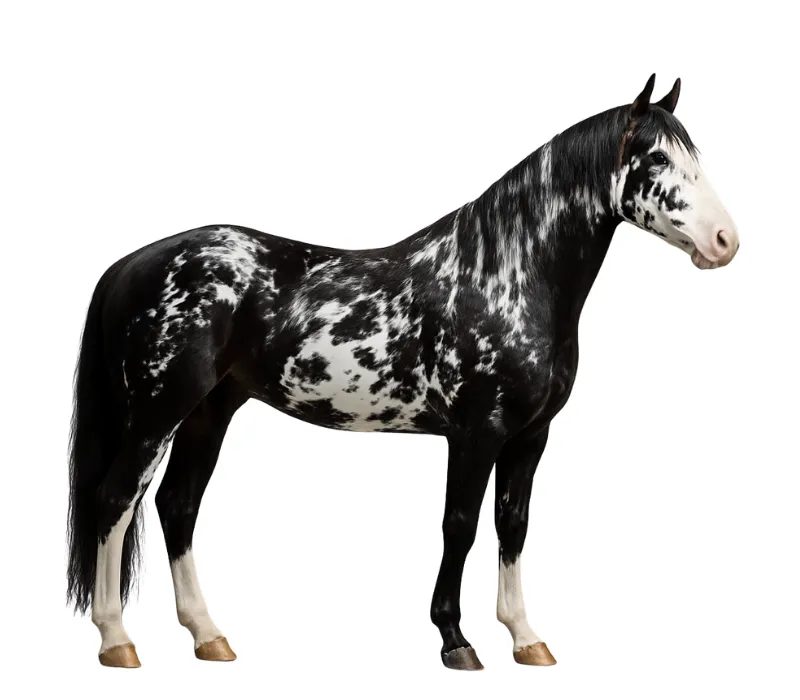
The overo pattern is recognized by its irregular white markings, which typically appear along the sides of the body and usually do not cross the topline.
How to Identify It
This pattern usually shows:
- irregular patches
- white appearing more along the sides
- a topline that is not always crossed by white
- a head with a large amount of white
Common Misunderstanding
The main confusion is with tobiano.
How to Tell the Difference
The simplest way to tell them apart is this:
- Tobiano: a cleaner, more organized pattern, with large white areas that often extend across the topline.
- Overo: a more irregular, jagged pattern, with white markings that usually remain on the sides of the body.
Practical Example
If the horse has a very white face, more uneven patches, and a dark topline, the pattern is closer to overo.
Variations of the Overo Pattern
Overo can show differences in pattern and intensity. Some horses display a more lateral overo, with patches concentrated along the sides of the body. Others show a more open overo, with a large amount of white on the head. There are also horses in which the pattern blends with other characteristics, making the overall design more complex. In more technical writing, overo may also be broken down into more specific subdivisions, but for the general reader, it is enough to know that its main variation lies in the irregular, jagged shape of the patches.
4.4 Appaloosa Pattern
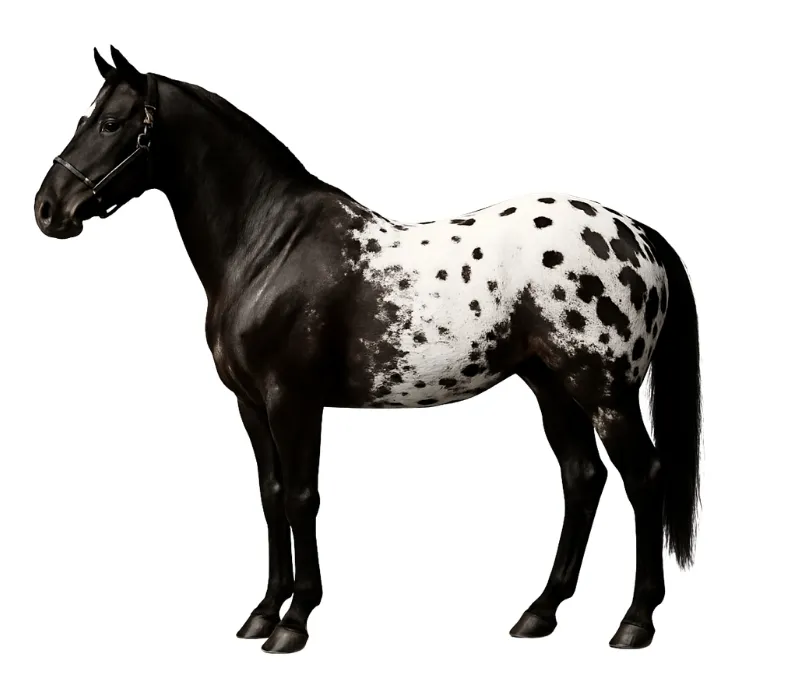
Appaloosa is best known as the name of a breed, but as a coat pattern term, it also refers to a distinctive spotted pattern, often marked by speckling, mottling, or lighter areas with smaller contrasting spots, especially over the hindquarters.
How to Identify It
The Appaloosa pattern usually shows:
- small spots or markings
- white areas with speckling
- frequent emphasis on the hindquarters and loin
Common Misunderstanding
It is often confused with overo and some other spotted coat patterns.
How to Tell the Difference
The Appaloosa pattern is defined more by spots and speckling than by large patches.
Practical Example
If the horse has a light blanket over the hindquarters with small dark spots inside it, the appearance is close to an Appaloosa pattern.
Variations of the Appaloosa Pattern
The Appaloosa pattern includes some of the easiest visual variations to recognize. Among them are the blanket pattern, in which there is a white area over the hindquarters; the spotted blanket, when that light area contains small dark spots; the snowflake pattern, in which small light spots or markings appear scattered across the body; and the leopard pattern, when a light background is covered with well-distributed dark spots. These variations make it much easier for the reader to understand why a horse with an Appaloosa pattern can look so different from one horse to another, even within the same visual group.
How to Observe a Horse’s Coat the Right Way
A good way to avoid mistakes is to follow this order:
- First, observe the body color.
- Then look at the mane and tail.
- Next, check the lower legs.
- After that, note whether there is a mixture of white hairs, large patches, or small spots.
- Finally, try to determine whether the horse’s appearance has changed with age.
This step-by-step approach helps a great deal because it keeps the observer from relying only on first impressions.
Conclusion
Understanding horse coats means learning to notice details that may go unnoticed at first glance. What may seem like just a black, brown, yellow, or spotted horse can actually reveal a rich visual identity, full of nuance and important distinctions.
Once the eye learns to recognize body color, the contrast of the points, the blending of the hairs, and the pattern of the markings, coat types stop feeling like a confusing list of names and begin to make sense. And that is exactly part of the charm of this world: every horse carries on its body a unique combination of color, sheen, contrast, and expression.
In the end, knowing horse coats is about more than memorizing terms. It is about learning to observe the animal more carefully, appreciating its individuality, and understanding a little more of the beauty that makes so many people fall in love with horses.