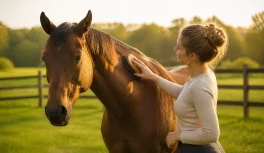
Every year, in every corner of the world, thousands of horses reach a turning point: the racehorse that stopped winning, the cart horse rescued from neglect, the ranch horse that grew old, the family companion suddenly without a home. For many of them, horse adoption is the only path to a decent future. In this article, you’ll learn where adoptable horses come from, how the process works, what care and costs to expect, and why adopting responsibly matters just as much as adopting with your heart.
Giving a horse a new home is one of the most meaningful expressions of the bond between people and horses, a theme we explore in The Love of Horses That Knows No Borders.
What Is Horse Adoption?
Horse adoption is the process by which a rescued, retired, or abandoned horse is placed, with follow-up, with a new owner who can provide proper care. It’s usually handled by rescues, sanctuaries, animal welfare organizations, or government programs, which evaluate both the horse and the applicant before finalizing the placement.
Unlike a purchase, horse adoption typically involves screening criteria, a signed adoption contract, and, in many cases, follow-up visits once the horse settles into its new home. Some organizations charge an adoption fee to help offset rescue and rehabilitation costs; others place horses free of charge.
Where Do Adoptable Horses Come From?
Horses in these programs come with very different histories. Knowing those backgrounds helps you understand what each animal needs.
Horses Rescued From Neglect and Abuse
Many horses arrive at rescues after reports of abandonment, starvation, overwork, or untreated injuries. In many places, authorities pick up loose horses on public roads or remove them from abusive situations and send them to partner organizations. These horses often need a period of physical and emotional rehabilitation before they’re ready for a new home.
Retired Racehorses
Racing produces many horses that end their careers young, whether because of performance or injury. In countries with a large racing industry, organizations specialize in retraining and rehoming retired Thoroughbreds, preparing them for new jobs such as trail riding, dressage, or simple companionship. A former racehorse needs time to “unlearn” life at the track, but many adapt beautifully to a quieter life.
Working Horses at the End of the Road
Draft horses, ranch horses, and urban cart horses often work until they can’t anymore. When they age or get hurt, they may be abandoned or sold off carelessly. Rescue projects try to give these animals a dignified retirement. To understand how vital these partners are to so many families, read Working Horses: The Partners of Millions of Families.
Wild and Feral Horses
Some countries run official horse adoption programs for free-roaming horses. The best-known example is in the United States, where the Bureau of Land Management, a federal agency, offers wild mustangs and burros for adoption as a way to manage herd sizes on public lands. These animals require experience, patience, and careful gentling. Learn more about these populations in Wild Horses of the World: Freedom, Beauty, and Resilience.
The Role of Rescues and Sanctuaries
Without welfare organizations, horse adoption at any meaningful scale simply wouldn’t exist. Rescues take horses in, feed them, treat them, rehabilitate them, and assess each one’s temperament, then search for suitable adopters. Many also work on prevention, educating owners and communities about basic care.
Internationally, charities such as The Brooke and World Horse Welfare, both founded in the United Kingdom, have spent decades helping working horses and equines at risk in many countries. Locally, independent rescues, often run by volunteers and funded by donations, do equally essential work.
If you can’t adopt right now, there are other ways to help: sponsor a horse with a monthly donation, donate feed or supplies, or give your time as a volunteer.
How Does the Horse Adoption Process Work?
Every organization sets its own rules, but most follow similar steps:
- Application and interview: you fill out a form covering your horse experience, where the horse will live, and your care routine.
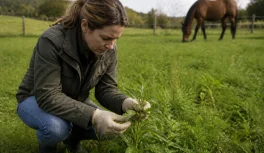
- Facility check: the organization may visit your property or ask for photos and documents to confirm pasture, shelter, fencing, and water access.
- Matching: the team suggests horses that fit your profile. A first-time owner is unlikely to be matched with a young, barely started horse.
- Adoption contract: a document that spells out your responsibilities, such as not reselling the horse, keeping it in good condition, and returning it to the organization if you can no longer care for it.
- Follow-up: periodic visits or reports to make sure the horse is doing well.
This rigor isn’t red tape for its own sake. It exists to keep a rescued horse from ending up back in the situation that brought it to the rescue in the first place.
Who Can Adopt a Horse?
Anyone can apply, but horse adoption requires much more than good intentions. Before taking the step, answer a few questions honestly:
- Do I have the right space? A horse needs room to move, good pasture or quality hay, shelter from sun, rain, and cold, and safe fencing. If you don’t have land, you can board the horse at a farm or equestrian center.
- Do I have the time? Horses need daily attention: feed, water, hoof checks, and watching for signs of illness.
- Do I have the knowledge, or the support? If you’ve never cared for a horse, line up a veterinarian and experienced horse people to guide you.
- Can I cover the costs for many years? Horses can live well past 20, and many adoptable horses are already older or have special needs.
One important point: horses are herd animals. Living completely alone can cause stress. Whenever possible, they should have the company of other equines.
How Much Does It Cost to Keep an Adopted Horse?
Horse adoption may be free, but upkeep never is. That’s the single most important thing to understand before you adopt. Monthly costs vary widely by country, region, type of boarding, and the horse’s health, so there’s no universal number.
The main expenses include:
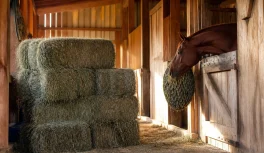
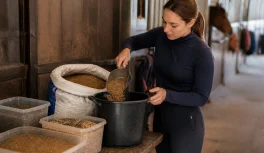
- Feed: pasture, hay, concentrate when needed, and a mineral supplement
- Hoof care: regular trims and, when indicated, shoeing
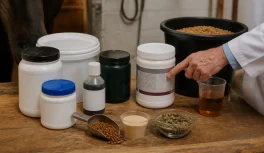
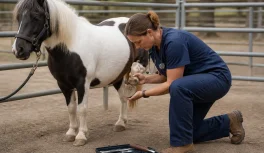
- Veterinary care: checkups, vaccines, parasite control, and dental work
- Boarding: if the horse doesn’t live on your own property
- Emergencies: colic and injuries can call for expensive, urgent treatment
Rescued horses often arrive with chronic hoof, dental, or weight problems, which can push costs up in the first few months. For a closer look at shoeing, read Horseshoes: Types, Materials, and How to Choose the Right One. For a full breakdown of expenses, see How Much Does It Cost to Own a Horse? Myths and Facts.
The First Months With Your Adopted Horse
Arriving in a new home is a delicate moment. The horse is in an unfamiliar place, away from its companions and the routines it knew. A few things make the transition easier.
Patience During the Adjustment Period
In horse adoption, rushing is the enemy. Let the horse explore its surroundings calmly, with no work for the first few days. Watch how it eats, drinks, moves, and reacts to people. Horses that have been mistreated may be wary, fearful, or defensive, and earning back their trust takes time.
Routine and Veterinary Care
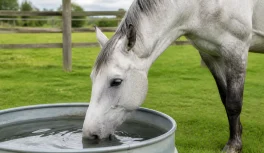
Horses feel safer with regular schedules for feeding and handling. Book a veterinary exam as soon as the horse arrives to check teeth, hooves, weight, and vaccination status. Make sure it always has clean, fresh water, which is essential for preventing colic and other problems. Our guide to water for horses covers daily intake and the warning signs of dehydration.
Respecting the Horse’s Limits
Not every adopted horse can be ridden. Some have permanent injuries, some are too old, and some need long periods of retraining. Many adopters discover that the joy of having a horse goes far beyond the saddle: it’s in the daily routine, the care, and watching an animal visibly learn to trust again.
Responsible Horse Adoption: What Never to Do
However good the intentions, some horse adoption mistakes can hurt both the horse and the cause:
- Adopting on impulse, swayed by a photo or a story, without a financial plan
- Withholding information from the organization about your space, experience, or budget
- Reselling or rehoming the horse without notifying the organization
- Putting the horse to work before veterinary clearance
- Keeping the horse isolated, with no other equines or stimulation
If, for any reason, you can no longer care for the horse, the right move is to contact the organization that placed it. Most adoption contracts provide for exactly that, so the horse is never left without a safety net.
A Second Chance That Changes Both Lives
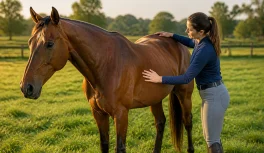
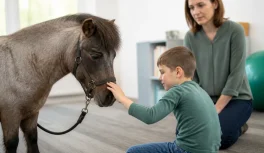
Horse adoption transforms the animal’s life, and the adopter’s too. Adopters and volunteers commonly share stories of horses that arrived thin, frightened, and injured and, months later, were grazing peacefully, walking up to people, and showing curiosity again. It’s a slow process that demands dedication, but it gives the horse back something it lost along the way: its dignity.
Giving a horse a second chance is, at heart, a way of repaying thousands of years of partnership. Throughout history, horses have carried humanity on their backs and pulled our plows, our wagons, and our ambitions. Adopting responsibly is one way to say thank you.