A high-performance horse is not simply a healthy animal that works hard — it is an elite athlete whose metabolic demands during competition exceed those of a human running a marathon. During a three-star cross-country course in eventing, a horse may burn more than 15,000 calories in under 12 minutes. In a 100-mile endurance ride, total caloric expenditure can exceed 50,000 calories in a single day. No standard maintenance diet can sustain that level of demand.
Equine sports nutrition is a scientific field that has advanced rapidly in recent decades. What was once guided by tradition and intuition is now grounded in exercise physiology studies, metabolomics, and controlled trials. And the discoveries were sufficiently counterintuitive to change protocols at breeding farms and competition teams around the world.
What Changes in Physiology During Intense Exercise
To understand the nutritional needs of the sport horse, it is necessary to understand what happens in the body during exercise:
ATP consumption: every muscle contraction requires adenosine triphosphate (ATP). At rest, ATP is generated mainly through the aerobic oxidation of fat. As exercise intensity increases, the body progressively relies more on muscle glycogen — the carbohydrate stored in muscles — and at peak maximum effort, on anaerobic metabolism.
Lactate accumulation: anaerobic metabolism produces lactate as a byproduct. Lactate accumulation is associated with muscle fatigue. Well-trained horses have a higher lactate threshold — they can sustain high-intensity exercise without entering metabolic acidosis for longer.
Glycogen depletion: muscle glycogen depleted during competition takes days to fully replenish — up to 72 hours in some studies. A weekend competition may start with the horse still recovering from previous exertion.
Electrolyte losses: equine sweat contains very high concentrations of sodium, chloride, and potassium. In intense and prolonged work, electrolyte loss is the limiting factor of performance even before energy depletion.
Energy: The Foundation of the Sport Diet
Energy management in the sport horse diet involves three main sources, each with distinct characteristics:
Structural Carbohydrates (Forage)
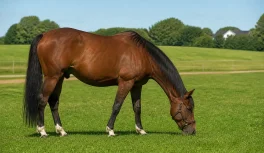
The base of the diet remains forage. But in a sport context, the choice and quantity of forage have direct practical implications:
Gastrointestinal weight: the horse’s large intestine can contain between 25 and 50 gallons of fluid and fermenting material. In endurance events, horses with more forage in the large intestine are literally carrying more weight. Some teams restrict forage in the 12–24 hours before endurance events — but this practice must be done with extreme caution, as it reduces intestinal water reserves and increases colic risk.
Pre-competition alfalfa: alfalfa is mildly buffering for the stomach and may reduce the risk of gastric ulcers during pre-competition stress periods. Studies show that small portions of alfalfa before exercise reduce the gastric acid splashing that occurs during the canter — a mechanism linked to ulcer development in the upper (squamous) portion of the stomach.
Non-Structural Carbohydrates (Starch and Sugar)
Grain starches (oats, corn, barley) provide quick energy that can be converted into muscle glycogen. For horses in short-duration, high-intensity disciplines (racing, jumping, high-level dressage), adequate glycogen replenishment is essential.
The starch trap: large concentrate meals before exercise can cause an insulin spike followed by a blood glucose drop — exactly the opposite of what is desired. The correct protocol is to distribute concentrate meals throughout the day, and not to feed a large quantity in the 2–3 hours immediately before exercise.
Post-exercise replenishment: muscle glycogen begins to be replenished most efficiently in the 1–2 hour window after exercise. Feeding concentrate during that period optimizes recovery — but always with forage available.
Fat
The inclusion of fat in the diet of high-performance horses is one of the most solidly established findings in equine sports nutrition in recent decades. Fat provides 2.25 times more energy per gram than carbohydrates, without the glycemic spike and without the starch load on the colon.
Proven benefits of fat supplementation:
- Higher caloric density without increasing concentrate volume
- Partial preservation of muscle glycogen during submaximal effort (the “glycogen sparing” effect)
- Reduction of metabolic heat produced during digestion — relevant in competitions in hot weather
- Better coat condition and body condition
Fat sources for horses: canola oil, rice bran oil, linseed oil, and stabilized rice bran. Introduce gradually (start with 1–2 oz/day and increase over 3–4 weeks to 10–17 oz/day for high-performance horses). Enzymatic adaptation takes time — supplement fat for at least 3–4 weeks before an important competition.
Protein and Muscle Recovery
Protein in the equine sport diet is frequently overdimensioned — owners tend to associate “more protein” with “more muscle.” But equine muscle does not work that way.
Muscle mass is built by training. Dietary protein provides the building blocks (amino acids) for construction and repair, but the excess is simply metabolized and eliminated — overloading the kidneys and generating unnecessary metabolic heat.
What truly matters is protein quality — especially the essential amino acid profile. Lysine is the most critical limiting amino acid in equine diets. Ensuring an adequate supply of lysine (found in high concentrations in soybean meal and alfalfa) is more effective than simply increasing total crude protein.
High-performance horses generally require 10–12% crude protein in the dry diet — not much more than a horse in maintenance. Growing foals have higher requirements (14–16%).
Hydration and Electrolytes in Competition
Electrolyte management is probably the most frequently neglected factor in sport horse nutrition.
Pre-competition protocol: ensure normal electrolyte status before the start. Free-choice plain salt in the days prior is the minimum. For endurance and marathon disciplines, some veterinarians recommend electrolyte supplementation 24–48 hours before the event.
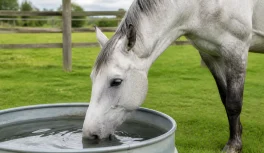
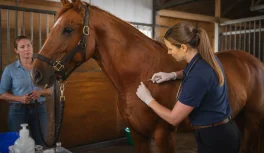
During competition: in long events (endurance, long-distance cross-country), horses should have water access at all check points. Electrolytes can be administered in water or directly via syringe — but never to a dehydrated animal (risk of increasing renal load).
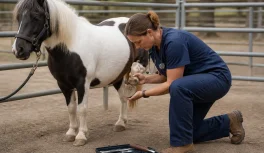
Post-competition: electrolyte replacement should be done concurrently with rehydration. Horses that work intensely, sweat heavily, and refuse electrolytes in water may require syringe or tube administration.
Feeding Programs by Discipline
Racehorses
Very short duration, maximum intensity. The greatest demand is for muscle glycogen and anaerobic power. Historically high-starch diets (from well-processed grains) have been standard in this category, though the modern trend incorporates more fat to reduce glycogen dependence.
Endurance Horses
Long duration, moderate to high intensity. The primary energy source is fat — the capacity for lipid oxidation is the main performance determinant. Fat supplementation, impeccable hydration, and electrolyte management are the pillars. Endurance horses tend to perform better on diets high in forage and fat, with low starch.
Show Jumpers and Eventers
Mixed requirements: jumping demands explosiveness (glycogen), while eventing’s cross-country phase demands aerobic endurance and electrolyte balance. Well-rounded diets with moderate fat, quality protein, and adequate electrolyte replacement are the standard.
Dressage Horses
Regular work at moderate intensity. Metabolic demands are lower than in jumping or racing disciplines. The main focus is quality muscular work — coat condition, muscle coverage, and joint health. Vitamin E and omega-3 (linseed) supplementation is common in this category.
Monitoring: What to Track in the High-Performance Horse
Beyond body condition score, competition horses benefit from:
Periodic blood work (CBC and serum biochemistry) — detects subclinical anemia, electrolyte imbalances, hepatic or renal dysfunction before they affect performance.
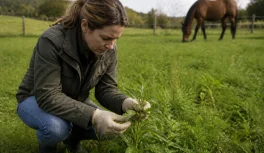
Forage and concentrate analysis — ensures the diet is delivering what it is believed to deliver.
Gastroscopy evaluation — given the high prevalence of ulcers in competition horses (60–90% depending on discipline and study protocol), periodic screening is justified in animals showing declining performance, resistance to work, or weight loss.