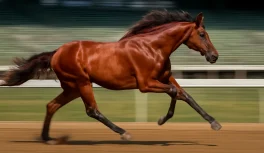
Few moments in riding feel as powerful as a balanced canter—when the horse is moving forward, the rhythm is clear, and everything feels light underneath you. It is also the gait where problems show up quickly: a horse that rushes, leans on the bit, loses balance, ignores the aids, or becomes tense because the rider is tense too.
Before treating the issue as a training problem, make sure the horse is comfortable and physically able to canter. Pain, poor saddle fit, hoof imbalance, dental issues, or lack of conditioning can all show up as resistance in the canter.
The good news is that a better canter rarely comes from using stronger aids. It usually comes from clearer timing, steadier rhythm, cleaner transitions, and small adjustments that help the horse stay balanced.
Before You Start: What a Good Canter Should Feel Like
A good canter is not the fastest canter. It is the one that feels organized, balanced, and easy to adjust.
You can feel it when:
- the horse does not lean on the bit or fall onto the forehand;
- the rhythm stays steady, with energy but no rushing;
- you can turn, shorten the stride, lengthen it again, and bring the horse back without a struggle;
- the transitions into and out of the canter are clean, without the horse running into them first.
Think of it this way: a good canter feels like the horse is saying yes. A poor canter feels like a maybe—or a no hidden behind speed.
Golden rule: If you need to control the canter by pulling, the problem is not your hand. It is the balance and organization of the horse’s body—and your own.
Fix 1: Establish Rhythm Before Asking for More Speed
Many riders try to improve the canter by going faster. The horse only learns one thing: how to run forward.
How to Establish a Steadier Canter Rhythm
- Pick up the canter and think rhythm, not speed.
- Count in your head: 1-2-3, 1-2-3, keeping the cadence steady.
- When the horse speeds up, do not pull. Instead, use a half-halt—a brief rebalancing aid through your seat, core, leg, and hand—then soften and return to the rhythm.
A sign it is working: you feel the horse staying with the rhythm instead of letting the canter run away from you.
Fix 2: Use Your Position Before You Use Your Hand
For better control, start with your body—not your reins.
The Rider Position Checklist for a Balanced Canter
- Eyes up and forward, not down at the neck.
- Shoulders relaxed, elbows soft and following instead of locked.
- Hips following the motion without pushing the horse forward every stride.
- Leg quietly on, without constant squeezing.
- Hands steady and soft, with consistent contact—not pulling and letting go.
Classic mistake: bracing your body and asking for control with your hand. The result? The horse stops lifting through the back, loses balance, and starts rushing onto the forehand.
One small adjustment can make a major difference: when the horse starts to speed up, exhale and settle deeper into the saddle. It may sound small, but the horse feels that quiet slowing aid from your body.
Fix 3: Build Hind-End Strength With Short Transitions
The engine of the canter comes from the hindquarters. When the horse is not carrying more weight behind, he often compensates by rushing onto the forehand.
A Simple Exercise to Rebalance the Canter
- In the canter, ride small rebalancing transitions: bring the canter back almost to trot, hold that balance for 2 or 3 strides, then ask the horse to canter forward again.
- Do not let it turn into running.
- Repeat 3 to 5 times, then take a break.
Why it works: this wakes up the hindquarters and teaches the horse to reorganize without losing the gait.
Important: the transition is not about pulling the horse down. It is about reorganizing the body with a half-halt, then asking again with clarity.
Fix 4: Use Large Circles to Improve Balance
A circle is not punishment. Used well, it is one of the best tools for balance.
How to Use Circles Without Losing Rhythm
- Start with a large 20-meter circle, roughly 66 feet across.
- If the horse speeds up, make the circle bigger, not smaller.
- If the horse falls in, support with your inside leg and guide the shoulders back onto the circle.
- If the horse drifts out, keep the outside rein steady and ride the shoulders back onto the line.
The goal is simple: the rhythm should feel the same at every point of the circle.
When that happens, the canter often starts to feel rounder almost on its own.
Fix 5: Control the Shoulders, Not Just the Turn
Many riders turn the horse, but they do not actually control the horse’s front end.
In the canter, many problems start when the horse’s shoulders drift to the inside or outside of the line. That is when the horse starts to feel crooked, heavy, or disconnected.
Two Ways to Keep the Shoulders on Track
- Use a half-halt, look where you want to go, and ride the line before the turn begins.
- Keep the shoulders on the track. Imagine the horse’s front end staying on an invisible rail.
A sign of improvement: you can turn without losing rhythm and without the horse escaping through the shoulder.
Fix 6: Ride Fewer Strides, but Make Them Better
If your horse can only offer 6 or 8 good canter strides, that is not a failure. That is your starting point.
How to Build Quality Without Overdoing It
- Ride short sets of 8 to 12 good strides.
- Come back to trot, reorganize, and breathe.
- Repeat 3 to 6 times.
This builds strength, stamina, and understanding without overloading the horse—or your patience.
Why it works: short, high-quality canter sets build strength and balance without letting the horse get tired, tense, or rushed.
Fix 7: Refine Your Canter Aid So the Depart Stays Clean
Sometimes the canter starts badly because the aid is unclear: too much leg, too much hand, and too much urgency.
How to Ask for Canter Without Creating Tension
- In the trot, find rhythm and direction.
- Use a half-halt to organize the body.
- Ask for canter with one clear, brief aid: outside leg slightly behind the girth, inside leg supporting, eyes on the line, and a seat that follows the motion.
- As soon as the horse steps into canter, stop squeezing and support the rhythm quietly.
A good canter aid should feel quiet and clear: the horse steps into canter without rushing first or tossing the head.
Common Canter Mistakes and What to Do Instead
- Pulling to slow down → rebalance with a half-halt, exhale, and sit taller.
- Squeezing with the leg the entire time → ask clearly, then keep the leg quiet and supportive.
- Wanting a long canter before the horse has strength → ride short, high-quality sets.
- Making the turn tighter when the horse speeds up → use a larger circle and a better line.
- Chasing speed to feel power → choose rhythm and balance instead.
When Training Is Not the Whole Answer
Not everything is a training issue. If the horse often refuses to canter, breaks gait repeatedly, becomes disunited or cross-canters easily, or shows signs of discomfort, such as pinned ears, tail swishing, unusual resistance, or behavior that feels out of character, it is worth checking the basics before pushing for more work.
Check saddle fit, hoof balance, back comfort, dental health, and conditioning. When needed, bring in a qualified trainer or veterinarian. Improving the canter also means caring for the body that makes the canter possible.
The Canter You Want Starts in the Details
Improving the canter is not about overpowering the horse. It is about helping the horse understand, balance, and trust the rhythm.
Start with rhythm, reward the good strides, and let balance—not speed—be the goal. As the horse becomes stronger and more organized, the canter stops feeling like something to manage and becomes what it should be: balanced, powerful, and light.