Concentrate — the collective term for grains, pellets, extruded feeds, and commercial mixes — is the second component of the equine diet, after forage. And while it receives more attention from breeders and owners than any other feed, it is also the most frequently misused: fed in excess, in the wrong formulation for the animal, or as a substitute for what should actually be the base of the diet. Understanding what concentrate does, when it is necessary, and how to choose the right product is essential knowledge for anyone who raises or cares for horses.
What Concentrate Is and What It Does
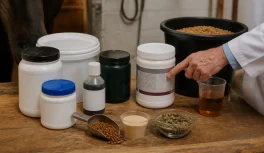
Concentrate is any feed with high energy and/or protein density relative to its volume — grains, pellets, extruded feeds, and commercially formulated mixes. The name describes its function precisely: it concentrates nutrients into a smaller volume than would be possible with forage alone.
Quality forage can meet the needs of a horse in maintenance or light work. But as demands increase — intense work, rapid growth, late pregnancy, lactation — the amount of forage required to cover those demands becomes physically impossible to consume. A high-performance horse would need to eat 44–55 pounds of hay per day to meet its energy requirements — a volume its digestive tract cannot process. That is where concentrate comes in: as a supplement, not as a foundation.
Types of Horse Concentrate
Whole or Processed Grains
Oats — the most traditional grain in the equine diet. Good palatability, more favorable fiber profile than corn or sorghum (higher hull content), less energy-dense. The safest concentrate for horses sensitive to carbohydrates. Processing (rolling, steaming) increases digestibility. Recommended especially for horses in light to moderate work.
Corn (maize) — high energy density (roughly 50% more calories than oats per pound), but the hull resists digestion when fed whole. Cracked or steam-flaked corn raises starch digestibility from 65% to over 85%. Never feed damp or moldy corn — aflatoxins produced by corn fungi are highly toxic to horses.
Barley — intermediate between oats and corn in energy density. Widely used in Europe; less common in tropical regions. Should always be processed (rolled or flaked).
Sorghum — an alternative to corn in regions where it is scarce. High energy density but naturally low digestibility when improperly processed. Tannin-free sorghum is preferred for horses.
Soybean meal — the protein source of choice. Crude protein content of 44–48%, with a good essential amino acid profile including lysine. Used to supplement protein-deficient diets, especially for foals and lactating mares.
Commercial Formulated Feeds
Commercial horse feeds are formulated for specific categories and represent the most practical option for most owners, since they already balance energy, protein, minerals, and vitamins in the right proportions for the target animal.
Typical categories:
- Maintenance — for adult horses in light work or rest. Lower energy density.
- Performance/Sport — for horses in moderate to intense work. Higher caloric density, elevated protein, often with fat supplementation.
- Growing foals — high protein (14–16%), good amino acid profile, calcium and phosphorus balanced for bone growth.
- Gestation/lactation — formulated for mares, with special attention to calcium, phosphorus, and B vitamins.
- Senior horses — easy to chew and digest, often with prebiotics and elevated levels of vitamins E and C.
Pelleted vs. Extruded Feeds: What Is the Difference?
Pelleted feeds — ingredients are ground, mixed, and compressed into pellets using heat and pressure. The process improves palatability and homogenizes the mixture, preventing the horse from sorting out preferred ingredients. Good digestibility and relatively accessible cost.
Extruded feeds — a more intensive process of heat, pressure, and expansion. The result is a more porous, lighter product with higher starch digestibility (complete starch gelatinization during processing). Recommended for horses with digestive problems or the need for easily absorbed diets. Higher cost.
Textured mixes — mixtures of whole or rolled grains with pellets and sometimes molasses. High palatability, but the horse may select its preferred components, unbalancing the diet.
How to Read a Feed Label
Before choosing any commercial concentrate, the label provides critical information:
Guaranteed analysis (minimum and maximum): required parameters include moisture, crude protein, fat (ether extract), crude fiber, mineral matter, calcium, and phosphorus. Compare these values against your animal’s requirements.
Feeding directions: the feed should indicate which animal category it was formulated for and recommended daily amounts per pound of body weight.
Ingredients: listed in descending order of proportion. Watch whether corn or corn byproducts appear as the first ingredients in feeds for horses prone to metabolic syndrome or laminitis — high glycemic indices are problematic for these animals.
Vitamins and minerals: check for the presence of vitamin E, selenium, zinc, copper, and biotin, especially if the horse has coat, hoof, or immune system issues.
How Much Concentrate to Feed?
The amount of concentrate should be determined by what forage cannot cover. The starting point is calculating the animal’s energy requirements based on life stage and workload, then estimating the energy the available hay provides — and supplementing the difference with concentrate.
Practical rules:
- Never exceed 0.5% of body weight in dry concentrate matter per single meal. For a 1,100-pound horse, that is 5.5 pounds per meal.
- If the animal needs more concentrate, divide it into 3 or more daily meals.
- Concentrate should always be fed after or alongside forage, never to a horse that has been fasting — an empty stomach increases the risk of digestive disorders.
- Never increase concentrate by more than 1 pound per week — the gut microbiome needs time to adapt.
Why Large Concentrate Meals Are Dangerous
The horse’s stomach has limited capacity — about 2 to 4 gallons. When a large quantity of starch arrives at the stomach at once, some of it inevitably bypasses gastric digestion and reaches the large intestine unprocessed. There, the starch undergoes rapid bacterial fermentation, producing excess lactic acid, dropping pH, and killing fiber-fermenting bacteria. The result ranges from mild digestive disturbance to acute laminitis — one of the most serious emergencies in equine medicine.
Prevention is straightforward: smaller and more frequent meals, gradual transition, and never concentrate without forage.
Concentrate for Horses With Special Conditions
Horses with equine metabolic syndrome or PPID (equine Cushing’s disease): avoid starch- and sugar-rich grains. Choose feeds with low glycemic index, based on fat and highly digestible fiber. Alfalfa should also be restricted in these cases.
Horses with gastric ulcers: small, frequent meals, maximize forage access time, consider buffered feeds or ingredients that promote lower gastric acidity.
Racehorses and endurance horses: high energy demands that often include fat supplementation (canola oil, rice bran, linseed) in addition to conventional concentrate. Fat provides 2.25 times more energy per gram than carbohydrates, without the glycemic spike of starch.