The hoof is the horse’s foundation. When it fails, the animal loses mobility, productivity, and quality of life. Hoof problems in horses are among the most common causes of lameness in the equestrian world — and, in many cases, they are preventable with proper management and attention to early warning signs.
This article covers the most frequent equine hoof conditions, explains why each one occurs, and describes what owners can do — and watch for — to keep their horses’ legs healthy.
Why Is the Hoof So Vulnerable?
The equine hoof is an extraordinary work of biological engineering — capable of absorbing the impact of hundreds of pounds with each step, day after day. But that same capacity for constant work exposes it to wear, infection, and overloading.
Two factors make the hoof particularly vulnerable in domestic horses:
Poor management: muddy footing for extended periods, irregular cleaning, overdue shoeing — small oversights that accumulate and create conditions for serious problems.
Genetic predisposition: some breeds have naturally more fragile hooves, with thin walls, shallow soles, or narrow frogs. This cannot be changed, but it can be managed.
What Are the Most Common Hoof Problems?
Thrush
Thrush is probably the most common hoof problem in domestic horses worldwide. It is caused by anaerobic bacteria — which thrive in the absence of oxygen — and develops in hooves chronically exposed to excessive moisture and decomposing organic matter: mud, accumulated manure, damp bedding.
The signs are unmistakable: a strong, foul odor from the hoof, dark pasty material emerging from the frog sulci, and in advanced cases, soft tissue that is sensitive to the touch.
Treatment involves cleaning and debriding the affected area, applying specific antiseptics, and above all, eliminating the moisture conditions that caused the problem. Advanced cases require veterinary evaluation.
Prevention: daily hoof cleaning with a hoof pick, dry stable footing, and access to well-drained ground are the most effective measures.
Hoof Abscess
A hoof abscess is a collection of pus inside the hoof capsule — between the sole and the sensitive laminae. It is extremely painful and causes acute lameness, often sudden. A horse can wake up lame with no apparent trauma.
The most common causes are: penetration by a foreign object (stone, thorn, nail), improper shoeing with a poorly placed nail, or a lost shoe that exposes the hoof to contamination.
Treatment involves locating and draining the abscess — a procedure performed by a veterinarian or experienced farrier — followed by bandaging and monitoring. Recovery is typically quick: many horses return to normal movement within 24 to 48 hours.
Prevention: up-to-date shoeing, regular hoof cleaning to identify embedded objects, and careful inspection before working on debris-covered terrain.
Laminitis
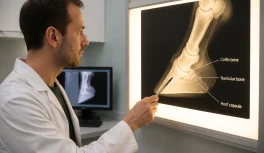
Laminitis is one of the most serious and potentially irreversible conditions affecting the equine locomotor system. It is an inflammation of the laminae — the structures that connect the coffin bone (pedal bone) to the inner hoof wall.
When the laminae inflame, circulation within the hoof is compromised. In severe cases, the coffin bone can rotate or sink within the hoof capsule — a condition called founder, which can permanently incapacitate the animal.
Laminitis has multiple triggers: excessive carbohydrate intake (lush pasture, too much grain), equine metabolic syndrome, Cushing’s disease, mechanical overloading (horses standing on hard surfaces for long periods), or as a complication of other systemic illnesses.
Signs include: reluctance to move, a characteristic stance with weight shifted backward to relieve pressure on the toes, heat in the affected hooves, and a strong, bounding digital pulse.
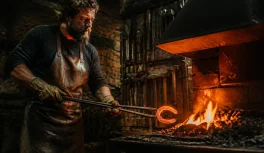
Treatment is lengthy and involves a multidisciplinary team: a veterinarian for inflammation control, a farrier for therapeutic shoeing that redistributes weight and reduces rotation, and strict nutritional management.
Prevention: dietary control — especially limiting access to lush green pasture — monitoring horses with metabolic predisposition, and avoiding prolonged standing on hard surfaces.
Navicular Syndrome
Navicular syndrome is a set of degenerative changes affecting the navicular bone, the deep digital flexor tendon, and adjacent structures inside the hoof. It is most common in middle-aged and older horses, particularly in breeds with small feet relative to body weight.
The most characteristic sign is chronic, intermittent lameness that worsens on hard ground and improves after warm-up. The horse often tries to relieve pain by landing on the toe, developing a characteristic shortened stride.
Treatment combines pharmacological management, corrective shoeing (typically egg bar shoes or heel elevation), and in some cases, nerve blocks or more advanced interventions.
Prevention: shoeing that maintains correct limb angles, avoiding excessively hard surfaces for predisposed horses, and keeping the animal at an appropriate body weight.
Hoof Wall Cracks
Vertical cracks in the hoof wall can be superficial — cosmetic, with no functional impact — or deep, reaching sensitive laminae and causing pain and infection risk.
The most common causes are: excessive dryness (insufficient hoof moisture), overdue shoeing that allows the hoof to grow beyond its limit and begin cracking, bearing imbalance that concentrates stress on specific areas of the wall, or traumatic injury.
Treatment depends on depth: superficial cracks generally resolve with moisturizing and corrective shoeing. Deep cracks may require the farrier to apply metal clips to prevent the fissure from spreading, or veterinary procedures when infection is present.
Prevention: regular hoof moisturizing in dry climates, timely shoeing, and attention to bearing balance.
How to Perform a Basic Hoof Inspection
Owners don’t need technical training to do a daily visual inspection that catches problems early. What to look for:
Before cleaning: observe whether there is swelling or heat in the fetlocks, whether the horse is bearing weight normally on all four limbs, whether any object is visibly caught in the hoof.
During cleaning: run the hoof pick through the collateral sulci of the frog and the central sulcus. Dark, foul-smelling material? Developing thrush. Unusual resistance to the pick? Could indicate an abscess. A crack in the wall? Evaluate its depth.
After cleaning: look at the sole surface. It should be reasonably firm to the touch. A soft sole that yields to thumb pressure can indicate subclinical laminitis.
When to Call the Veterinarian
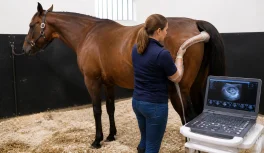
Sudden or acute lameness — especially when the horse refuses to bear weight on the leg — is always an indication for urgent veterinary evaluation. Hoof abscess causes intense lameness rapidly, as does laminitis in an acute crisis.
For chronic or slower-developing conditions — subclinical laminitis, early navicular disease, slowly progressing cracks — the consultation can be scheduled in a more planned way, but should not be postponed indefinitely.